When you hear the words “dental crown,” it is natural to wonder whether the process will hurt. Many patients feel nervous about dental procedures, and the thought of pain is often the first concern. A dental crown is a common treatment that helps restore teeth that are weak, cracked, or severely decayed. Even though crowns have been used for many years, the idea of preparing a tooth and placing a crown can sound overwhelming.
The truth is that modern dental techniques are designed to keep you comfortable. Dentists use local anesthesia, advanced tools, and effective communication to reduce discomfort and help patients feel at ease. While there may be some sensitivity or mild soreness during recovery, the process itself is far less painful than most people expect. By understanding what happens during each step, you can approach your treatment with confidence.
Manage Dental Crown Discomfort with Dentist-Approved Tips
- Local anesthesia makes the crown procedure virtually pain-free.
- Some sensitivity is normal after treatment, but it usually improves within days or weeks.
- Anxiety plays a big role in how pain is perceived, so relaxation and trust in your dentist are important.
- Post-procedure care, including diet adjustments and proper oral hygiene, can improve comfort and recovery.
- Persistent pain is not normal and should be checked by your dentist.
What Is a Dental Crown?

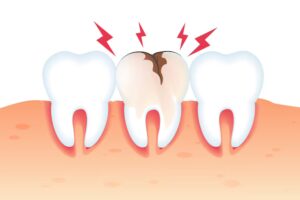
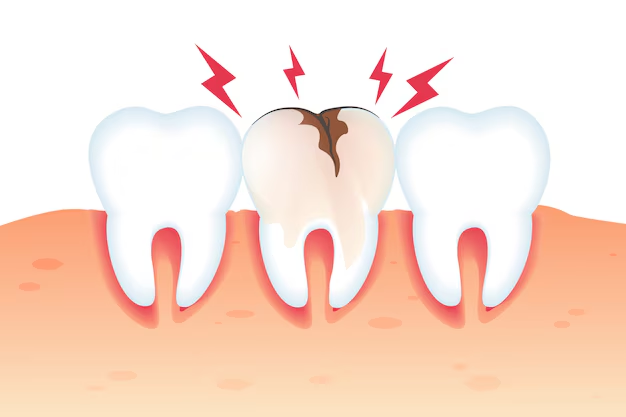
A dental crown is a cap that covers a tooth to restore its shape, strength, and function. It is often recommended when a tooth is too damaged for a filling but does not need to be removed. Crowns are used after root canal therapy to strengthen cracked teeth or to restore teeth with large cavities. They can also be placed on top of dental implants to replace missing teeth.
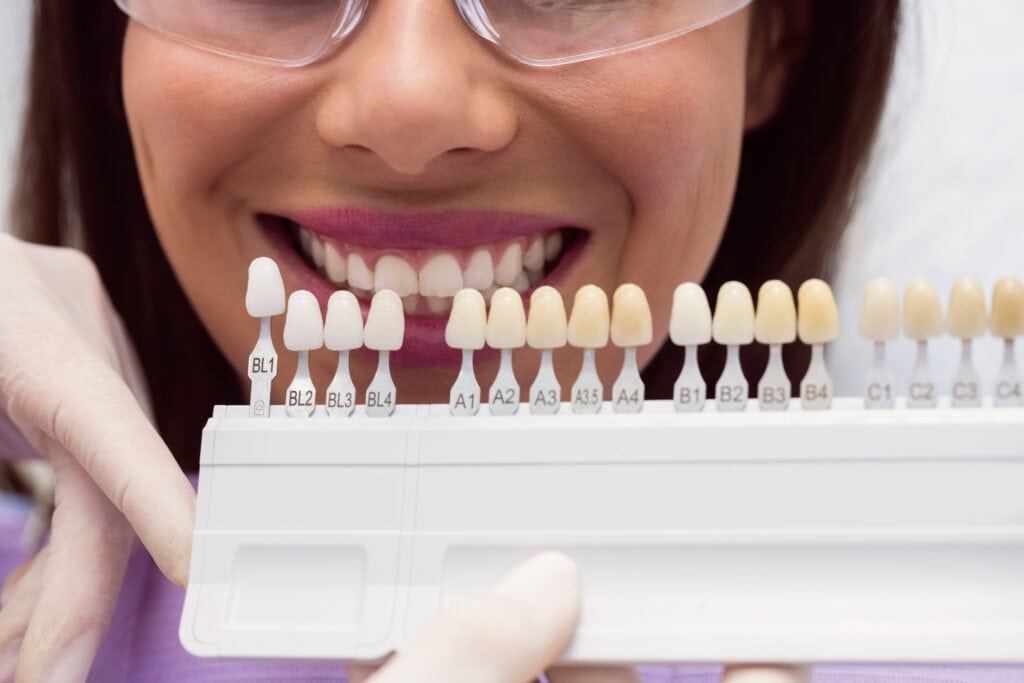
The crown itself can be made from materials such as porcelain, zirconia, or metal alloys. Each type has its benefits, but the main purpose is the same: to protect the tooth and give it a natural appearance.
Pre-Procedure Considerations
Initial Examination and Consultation
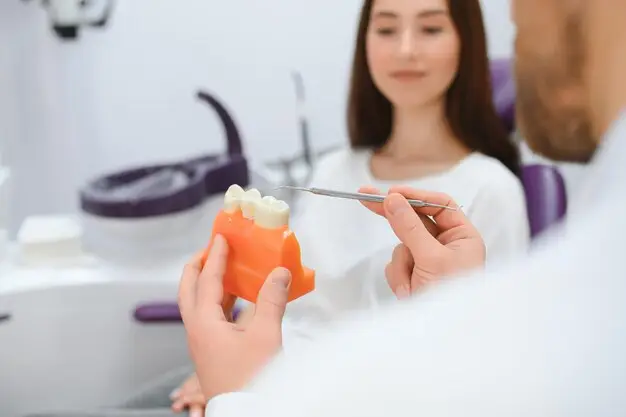
The process begins with a dental exam. Your dentist will take X-rays and inspect the tooth to see if a crown is the right solution. This is also the time to discuss what material you prefer, how the crown will look, and any concerns you may have. Having a clear plan in place helps reduce anxiety.
Pain Management Options
Before the procedure begins, your dentist applies local anesthesia to numb the tooth and the area around it. This ensures you do not feel pain during treatment. For patients who feel anxious, sedation options are available. Nitrous oxide, sometimes called laughing gas, helps patients relax without putting them to sleep. In some cases, intravenous sedation can be used to provide a deeper level of calm. These options make the entire process much easier for nervous patients.
The Tooth Preparation Process
The crown procedure usually takes two visits. At the first visit, the dentist reshapes the tooth. A small layer of enamel is removed to make space for the crown. After reshaping, impressions are taken to create a custom crown that fits perfectly. A temporary crown is placed to protect the tooth while the permanent one is being made in the lab.
At the second visit, the temporary crown is removed. The permanent crown is checked for fit, function, and appearance. Once the dentist confirms that everything looks and feels right, the crown is cemented into place. Finally, it is polished so that it blends in with your natural teeth.
Some dental offices also offer same-day crowns using digital scans and in-office milling machines. This technology allows you to receive a permanent crown in a single appointment.
Pain and Discomfort: What to Expect
During the Procedure
With local anesthesia, you should not feel pain during the procedure. What you may notice is pressure or vibration from the dental tools. Anxious patients may perceive this pressure as uncomfortable, which is why communication with your dentist is key.
Immediate Sensitivity
Once the anesthesia wears off, you may feel some tenderness or sensitivity around the treated tooth. This is completely normal and usually improves within a few days to a couple of weeks. Over-the-counter pain relievers, such as ibuprofen or acetaminophen, are often enough to manage this. Desensitizing toothpaste can also help reduce sensitivity to hot and cold foods.
Persistent Pain
If discomfort lasts longer than a few weeks or if the pain becomes sharp or severe, it may be a sign that something is wrong. Possible causes include an ill-fitting crown or irritation from the dental cement. In such cases, returning to the dentist is important for an adjustment.
The Role of Anxiety
Anxiety can increase the perception of pain. Patients who feel nervous often describe stronger discomfort, even when the procedure is performed correctly. Having a calm environment, clear explanations, and a supportive dental team helps reduce this effect.
“Most of my patients tell me the crown procedure was easier than they expected. With proper numbing and clear explanation, discomfort is usually mild and short-lived.”
— Leo Kharin, D.M.D., Bedford Dental
Post-Procedure Care
Immediate Aftereffects
Right after treatment, it is common to feel mild soreness in the gums or irritation around the crown. If you had anesthesia, numbness may last for a few hours, so avoid eating hot food until the feeling returns.
Pain Management
Most patients find that simple pain relief options are enough. Your dentist may recommend ibuprofen or acetaminophen to ease discomfort. It is best to follow their instructions for dosage and timing.
Dietary Adjustments
During the healing period, it is wise to avoid sticky foods that could pull at the crown or hard foods that could crack it. Chewing on the opposite side of your mouth may also help until you feel fully comfortable.
Follow-Up Care
Regular checkups are important after receiving a crown. Your dentist will check the fit, look for signs of wear, and make sure your bite is aligned. Good oral hygiene at home, including brushing and flossing carefully around the crown, also helps extend its lifespan.
Risks and Complications
Although crowns are very successful, there are potential risks, as with any dental treatment.
- Anesthesia reactions: Rare but possible, including dizziness or mild discomfort at the injection site.
- Sensitivity: Some patients feel temporary sensitivity to hot or cold foods.
- Ill-fitting crowns: If the crown does not fit properly, it can allow bacteria to cause decay.
- Chipped or damaged crowns: Crowns made from porcelain can sometimes chip and may need repair or replacement.
- Loose crowns: Cement failure or tooth decay can loosen a crown over time.
By keeping up with dental visits and monitoring how your crown feels, these risks can be managed effectively.
Why Choose Bedford Dental?
Bedford Dental is dedicated to making the crown procedure as comfortable and stress-free as possible. Our team takes the time to explain every step, answer questions, and listen to your concerns. We use modern technology to ensure accurate results and lasting restorations. For anxious patients, we provide safe sedation options so you can feel at ease during treatment. Beyond technical skill, we focus on compassion, trust, and personalized care. This combination allows our patients to feel confident and supported throughout their dental journey.
The Bottom Line
Getting a dental crown does not have to be a painful experience. With local anesthesia, sedation options, and a gentle approach, the procedure is more comfortable than many expect. While mild sensitivity is normal during recovery, ongoing pain should always be checked by a dentist. By understanding the process and what to expect, you can take an active role in your care and feel more at ease. A crown not only restores the function of your tooth but also protects your oral health for years to come.
Read more of our blogs here.
Frequently Asked Questions
1. Does getting a crown hurt?
Most patients do not feel pain during the procedure because of local anesthesia. You may notice pressure but not actual pain.
2. How long will the sensitivity last after getting a crown?
Sensitivity usually improves within a few days to a couple of weeks. If it lasts longer, your dentist should check the crown.
3. Can I eat normally after getting a crown?
You should avoid sticky or hard foods for a few days. Once the crown feels comfortable, you can return to your regular diet.
4. How long does a crown last?
With proper care, crowns can last 10 to 15 years or longer. Good oral hygiene and regular checkups extend their life.
5. What should I do if my crown feels loose or painful?
Contact your dentist immediately. A loose crown or severe pain may signal an issue that needs attention.