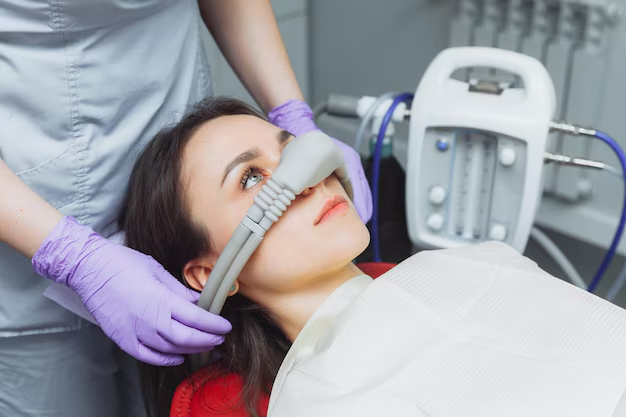
Dental anxiety is far more common than most patients realize. About 36 percent of people in the United States are believed to suffer from dental anxiety or fear to some degree, according to figures cited by dental practices, and some of them avoid care altogether because of it. Sedation dentistry in Bedford, MA offers those patients a different path, one where treatment gets finished comfortably instead of being postponed again and again.
At Bedford Dental, sedation fits into a broader approach to patient comfort that also includes digital scanning, AI-assisted diagnostics, and gentle hygiene care. The goal is straightforward. You receive the dentistry you need without spending the entire appointment braced for the worst.
What Is Sedation Dentistry?
Sedation dentistry is a branch of oral care that specializes in giving patients relief from stress and pain through sedation. It is not a single procedure so much as a set of techniques used to calm the nervous system before and during treatment.
Sedatives can be administered before patients receive treatment, so the relaxing effect is already in place by the time the work begins. That matters for patients whose anxiety peaks in the first few minutes of a visit, when the sights and sounds of an operatory can trigger a strong stress response.
The type and depth of sedation is a clinical decision. Your dentist weighs your level of anxiety, your health history, the length of the appointment, and the treatment planned before recommending an approach. Some patients need only a light touch to take the edge off. Others need something deeper to get through longer or more involved care.
How Common Is Dental Anxiety?
The roughly 36 percent figure means that in a typical room of adults, more than one in three is dealing with some degree of fear about dental treatment. That fear shows up in different ways. Some people feel a general unease they can push through. Others experience a racing heart, sweating, nausea, or a powerful urge to leave the building.
The consequences go beyond a single uncomfortable appointment. Patients who avoid the dentist often wait until something hurts badly enough that they cannot ignore it, which usually means the treatment they eventually need is larger than it would have been. Sedation breaks that pattern by making the visit itself manageable.
The Main Types of Sedation Dentistry
Dental practices commonly offer oral sedation, IV sedation, and nitrous oxide. Each works differently, and each suits a different kind of patient and procedure.
Nitrous Oxide, Also Called Laughing Gas
Nitrous oxide sedation is an effective and safe sedation agent that is inhaled through a mask fitting over your nose. It is mixed with oxygen, so you can breathe normally through your nose, and within minutes you should start to feel the effects. Patients often describe a light, floaty, relaxed sensation.
Mild sedation is the most common form of sedation dentistry, and nitrous oxide is the way it is usually delivered. It is used for routine dental work, implant placement, extractions, and cosmetic dentistry. Because the effects fade relatively quickly once the gas is turned off, nitrous oxide is often a practical choice for patients who want help relaxing without committing to a deeper level of sedation.
Oral Sedation
Oral sedation involves medication taken by mouth, typically before the appointment so the calming effect builds ahead of treatment. It sits between nitrous oxide and IV sedation in terms of depth. Patients who feel their anxiety building in the days before a visit often find that starting the medication early makes the whole experience easier to face.
IV Sedation
IV sedation is offered for patients who need a deeper level of relaxation or who are facing longer, more complex treatment. It requires a conversation with your dentist about your health history and medications, and it is worth asking directly whether it is appropriate for you. Not every patient needs this level of support, but for some it is the difference between finishing treatment and abandoning it.

Who Is a Good Candidate for Sedation Dentistry?
Sedation dentistry can help you relax in the dentist’s chair so you can get the dental care you need for a healthy smile. It may be right for you if you recognize yourself in any of the following:
- You have anxiety or a phobia about dental treatment that makes appointments difficult to keep.
- You have extensive dental needs and the thought of the work ahead feels overwhelming.
- You have postponed care for years and are unsure how you will handle a longer appointment.
- You have a low tolerance for the sounds, sensations, and closeness of routine dental work.
- You want to complete several treatments without the stress compounding across multiple visits.
Patients in Bedford and the surrounding communities, including Lexington, Burlington, Billerica, and Reading, often put off care for years before asking about sedation. That gap does not disqualify anyone. It is usually the reason sedation gets discussed in the first place.
What Can Be Treated With Sedation?
Sedation is not limited to major procedures. Mild sedation is used for routine dental work, implant placement, extractions, and cosmetic dentistry, which means it can support almost any appointment where anxiety is the obstacle.
At Bedford Dental, that range includes preventive and hygiene visits such as Airflow cleanings and oral cancer screenings, restorative care such as crowns, bridges, implants, and full mouth reconstruction, and cosmetic treatment such as veneers and Philips Zoom whitening. Invisalign clear aligners, planned with iTero scanning, are another option patients ask about when they want to improve their smile but have been avoiding the chair.
The right question is not whether sedation can be used for a particular treatment. It is which level of sedation is appropriate for you and for the length and complexity of the work being done.
Pairing Sedation With Digital Dentistry at Bedford Dental
Comfort has two parts. One is how you feel. The other is how much physical disruption the appointment involves. Digital tools address the second part, which often makes the first part easier.
Digital scanning with the iTero scanner captures detailed images of your teeth and bite, which can reduce the number of physical steps in a visit and make planning clearer before treatment starts. AI-assisted diagnostics help your dentist identify issues early, when they are typically simpler to address. Airflow hygiene uses a gentler approach to cleaning than traditional scraping, which matters to patients who find that part of a visit hardest to tolerate.
None of these replace sedation. They work alongside it, so a patient who is nervous about both the sensation of treatment and the uncertainty of what comes next has less to manage at once.
What to Expect at a Sedation Appointment
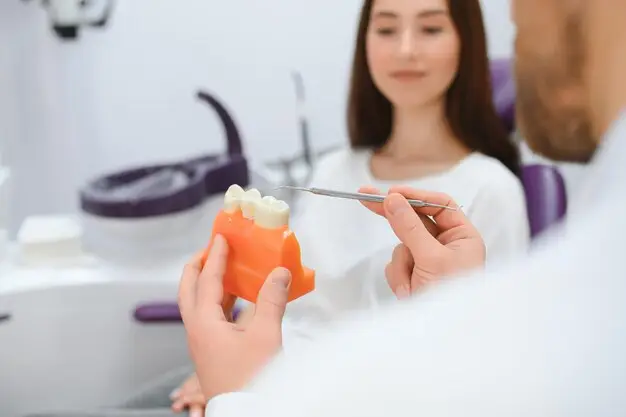
Every sedation plan starts with a conversation rather than a needle. Your dentist reviews your health history and the medications you take, explains the options available, and recommends a level of sedation that fits the treatment planned.
Before the appointment, ask how to prepare and whether you will need someone to drive you home. Rules around eating, drinking, and transportation vary by sedation type, and the office is the right place to confirm the details for your situation.
During treatment, the sedation is adjusted as needed. With nitrous oxide, you remain able to breathe normally through your nose and the effects come on within minutes. Throughout the visit, the team monitors how you are doing and can adjust the level of sedation as the appointment progresses. Patients routinely report that the appointment felt shorter and far less eventful than they expected.
Questions to Ask Before You Schedule
A short list of questions will tell you a great deal about how a practice handles anxious patients.
- Which sedation options do you offer, and which one do you recommend for my treatment?
- How will my health history and current medications affect the plan?
- What does sedation add to the cost of my treatment, and does my insurance plan cover any of it?
- Will I need someone to drive me home afterward, and are there eating or drinking instructions beforehand?
- How is a patient monitored during sedation, and who is watching me while treatment is underway?
Cost and insurance answers vary by practice, plan, and procedure, so it is worth asking the office directly and confirming coverage with your insurer rather than relying on general figures you find online.
Frequently Asked Questions
Is sedation dentistry safe?
Sedation is used routinely in dental offices, and nitrous oxide in particular is described as an effective and safe sedation agent that is mixed with oxygen and inhaled through a mask. Safety depends on matching the right level of sedation to your health history, which is why your dentist reviews your medications and medical background before recommending an approach. Ask about monitoring during your consultation.
Will I be completely asleep during sedation dentistry?
Not necessarily. Mild sedation, most often nitrous oxide, keeps you awake and relaxed while you breathe normally through your nose through a mask. Deeper options such as oral sedation and IV sedation create a heavier level of relaxation, and some patients remember very little of the appointment afterward. Your dentist will explain which level is being recommended and what to expect.
How much does sedation dentistry cost?
Pricing depends on the type of sedation chosen and the treatment being performed, and it is usually quoted alongside the procedure itself rather than as a standalone fee. Insurance coverage varies widely by plan and by the reason sedation is needed. The most reliable approach is to ask the office for a written estimate and confirm benefits with your insurance provider.
I have not seen a dentist in years. Is that a problem?
It is common, and it is one of the main reasons patients ask about sedation. Years of avoidance usually mean more treatment is needed, not that you will be judged for it. A consultation is a low-pressure starting point where you can describe your concerns, learn what the digital scans show, and decide on a pace that feels workable.
How do I choose between nitrous oxide, oral sedation, and IV sedation?
You do not have to decide alone. Your dentist recommends a level based on how severe your anxiety is, how long the appointment will run, and your health history. Nitrous oxide suits many routine visits, oral sedation builds gradually before treatment, and IV sedation supports deeper relaxation. Ask what each option would feel like for your specific procedure.