
Your smile is a reflection of confidence and well-being. Whether you need veneers, crowns, whitening, or Invisalign, each treatment enhances both aesthetics and function. But how do you choose the right one? Understanding their benefits and limitations is key to achieving a radiant, confident smile. Let’s explore in this blog: how these treatments can redefine your look and boost your self-esteem.
Key Takeaways
- Dental Veneers are thin custom shells that address cosmetic issues like discoloration and chips without significantly strengthening teeth, lasting 10-15 years with proper care.
- Dental Crowns serve both aesthetic and functional purposes, providing strength and protection for severely damaged teeth with potential longevity of 15-30 years.
- Teeth Whitening offers significant brightness enhancement with better results from professional treatments than at-home options, contrary to myths about enamel damage.
- Invisalign provides a discreet, comfortable alternative to traditional braces with high patient satisfaction rates (91.2%) and fewer office visits required.
- Combining treatments can create comprehensive smile enhancement, but it requires consultation with dental professionals to determine the optimal approach for your specific needs.
Dental Veneers, Crowns, Whitening, Invisalign: An Overview

Veneers, crowns, whitening, and Invisalign are popular dental procedures designed to enhance the appearance and health of teeth. Each method serves distinct purposes and can be used individually or in combination to achieve optimal results.
Dental Veneers
Dental veneers are a cosmetic treatment primarily aimed at improving the aesthetic appeal of teeth. They do not significantly strengthen or repair teeth, but can effectively address cosmetic issues such as chips, stains, or misshapen teeth. There are several types of veneers, including composite veneers, porcelain veneers, no-prep veneers, and removable veneers. Composite veneers utilize a tooth-colored resin to conceal minor cosmetic problems, while porcelain veneers are custom-made and require the removal of some enamel from the natural teeth for proper placement.
Dental Crowns
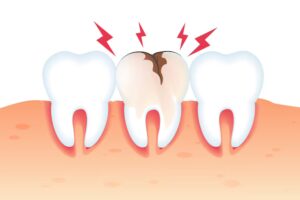
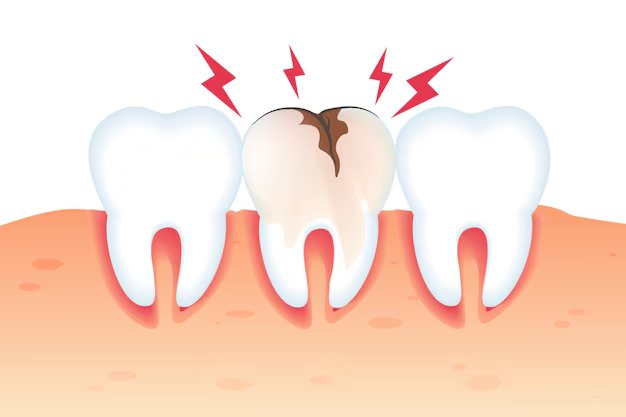
Unlike veneers, dental crowns serve both aesthetic and functional purposes. They are designed to restore teeth that are severely damaged due to decay or trauma. Crowns provide strength and durability but typically necessitate more extensive alteration of the natural tooth compared to veneers.
Teeth Whitening
Teeth whitening is a cosmetic procedure aimed at enhancing the brightness of teeth. Various whitening treatments are available, ranging from over-the-counter products to professional treatments conducted by dental professionals. To prolong the results of whitening, patients are advised to maintain good oral hygiene, avoid staining foods and beverages, and refrain from tobacco use.
Invisalign
Invisalign is a revolutionary orthodontic treatment that has transformed the way individuals achieve straighter smiles. This innovative approach utilizes clear aligners to correct dental misalignments, offering a modern alternative to traditional braces. Unlike metal wires and brackets, Invisalign aligners are virtually invisible and made from smooth, BPA-free plastic, making them a discreet and comfortable option for patients of all ages.
Combining Them All
For individuals seeking comprehensive smile enhancement, combining these treatments can yield significant benefits. It is crucial to maintain good oral hygiene and follow dentist-recommended care for each treatment to maximize results. Regular dental check-ups are essential for monitoring oral health and addressing potential issues early on.
Veneers: Types, Benefits, Considerations
Veneers are thin, custom-made shells that are bonded to the front surface of teeth to enhance their appearance. Typically crafted from porcelain or composite resin, veneers are designed to address various cosmetic dental issues, including discoloration, chips, cracks, gaps, and uneven tooth sizes.
Types of Veneers: Porcelain, Composite and Lumineers
There are several types of veneers available, each with its own benefits:
Porcelain Veneers: Porcelain veneers are custom-made from high-quality porcelain that closely resembles natural tooth enamel. They are resistant to staining and can last many years with proper care, making them a popular choice for patients seeking a long-lasting solution.
Composite Veneers: Composite veneers are made from a composite resin material, which is often more affordable than porcelain options. They can be applied in a single dental appointment and are suitable for minor cosmetic improvements, although they may not last as long as porcelain veneers.
Lumineers: Lumineers are a brand of veneers that are ultra-thin and can be applied with minimal tooth reduction. This makes them a less invasive option for those looking to enhance their smile without significant alteration to their natural teeth.
Benefits of Veneers
Veneers offer a natural, aesthetically pleasing appearance by blending seamlessly with existing teeth. They are durable, lasting 10 to 15 years with proper care, making them a long-term cosmetic solution. Additionally, porcelain veneers are highly stain-resistant, helping to maintain a bright smile over time.
Considerations Before Getting Veneers
Before choosing veneers, patients should consider their dental needs. Veneers work best for minor cosmetic issues, while severely damaged teeth may require crowns for better support. They typically last 10 to 15 years, whereas crowns may last longer with proper care. Additionally, since some enamel removal is required, patients should weigh the benefits against the permanent changes to their teeth.
At Bedford Dental, we prioritize preserving your natural tooth structure while enhancing your smile with precision-crafted veneers. Our expert team ensures minimal enamel removal for a seamless, long-lasting result.” – Bedford Dental
Crowns: Types and Benefits
Dental crowns are versatile restorative devices used to strengthen and protect damaged or compromised teeth. They serve both cosmetic and functional purposes by covering the entire tooth structure, thereby reinforcing it and prolonging its lifespan. Crowns can be crafted from various materials, including metal, ceramic, porcelain-fused-to-metal, and zirconia, each offering unique benefits and aesthetic qualities.
Types of Crowns: Metal, Ceramic, Porcelain Fused, and Zirconia Crowns
Metal Crowns: Metal crowns, often made from gold or other alloys, are known for their durability and strength. They are especially effective for back teeth, where the forces of chewing are greatest, and can last significantly longer than other types, often exceeding 15 years with proper care.
Ceramic Crowns: Ceramic crowns are designed to closely resemble natural teeth in appearance, making them a popular choice for front teeth. They provide both aesthetic appeal and strength, suitable for patients seeking a natural-looking smile.
Porcelain-Fused-to-Metal Crowns: These crowns combine the strength of metal with the aesthetic benefits of porcelain, offering a balance between durability and appearance. They are versatile and can be used in various locations in the mouth.
Zirconia Crowns: Zirconia crowns are increasingly popular due to their impressive strength and natural tooth-like appearance. They are particularly favored for their resistance to wear and their aesthetic compatibility with natural teeth.
Benefits of Dental Crowns
Crowns play a vital role in protecting weakened or damaged teeth by preventing further decay and structural issues. They are especially beneficial after a root canal, preserving the tooth’s integrity and functionality. Beyond protection, crowns enhance the appearance of severely discolored or misshapen teeth, improving overall aesthetics. With proper care, including good oral hygiene and regular dental check-ups, crowns can last 15 to 30 years. Avoiding highly pigmented foods and maintaining routine exams further helps extend their longevity.
Whitening: Comparison, Myth, and Post-Treatment Care
Teeth whitening is a popular cosmetic procedure that can significantly enhance one’s appearance and boost self-confidence by lightening discoloration and removing stains from teeth. Various factors contribute to tooth discoloration, including aging, consumption of specific foods and drinks, and tobacco use. Whitening treatments can effectively target both intrinsic and surface stains, providing a brighter smile.
Professional vs. At-Home Whitening
When considering teeth whitening options, there are notable differences between professional treatments performed by dental professionals and at-home whitening methods. Professional whitening procedures typically utilize potent bleaching agents and advanced technologies that can lighten teeth by up to eight shades.
These treatments are tailored to meet individual needs, ensuring a safer and more comfortable experience, as they are conducted under professional supervision. In contrast, at-home whitening methods may not provide the same level of effectiveness and often rely on less potent whitening agents. As a result, the outcomes from at-home treatments can vary significantly, and patients may experience greater sensitivity and less satisfaction with their results compared to professional treatments.
Common Myth about Teeth Whitening
Despite its popularity, misconceptions surrounding teeth whitening are prevalent. Common myths suggest that whitening damages tooth enamel, that results are immediate and permanent, and that all whitening techniques yield similar outcomes. Each of these beliefs is unfounded, and it is essential to address these concerns to provide accurate information about the safety and effectiveness of whitening procedures.
Myth: Whitening Damages Enamel
One of the most widespread myths is that teeth whitening can harm enamel. However, when performed correctly using professional-grade products, whitening treatments are safe for enamel and can enhance the overall aesthetic of teeth without causing damage.
Post-Treatment Care
To maintain the results achieved through whitening, it is crucial to follow proper aftercare practices. Patients are advised to avoid consuming dark-colored foods and beverages immediately after treatment and to engage in regular touch-ups as needed to prolong the whitening effects. Good oral hygiene practices and routine dental visits also play a significant role in sustaining the brightness of teeth post-whitening.
Invisalign: Benefits and Patient Experience
Benefits
Invisalign aligners are designed to address mild to moderate misalignments, allowing for a broader range of patients to benefit from this treatment option. Clear aligners not only enhance aesthetic appeal but also improve the patient experience by minimizing the discomfort commonly associated with traditional braces. The treatment process typically involves fewer office visits and can result in shorter treatment times due to the efficient planning facilitated by advanced software.
Patient Experience
The impact of Invisalign on patient experience has been profound. Users report increased satisfaction due to the discreet nature of the aligners, which helps reduce self-consciousness during treatment. Furthermore, the ease of use and comfort of the aligners contribute to better compliance among patients. As technology continues to advance, the Invisalign treatment process is expected to evolve, potentially offering even more efficient and effective solutions for achieving a perfect smile.
Invisalign aligners have significantly enhanced the orthodontic experience by providing a discreet and comfortable alternative to traditional braces. At Bedford Dental, we utilize advanced techniques and materials like SmartTrack for better control and predictable outcomes during treatment.
Clinical Outcomes and Results
The use of veneers, crowns, whitening procedures, and Invisalign has shown significant clinical outcomes, particularly in terms of patient satisfaction and aesthetic improvements.
Patient Satisfaction with Invisalign: Studies indicate that a substantial percentage of patients express satisfaction with their Invisalign treatment, with reports showing that 91.2% of patients are pleased with the results of clear aligner therapy.
Aesthetic Improvements with Veneers and Crowns: Veneers are particularly effective for enhancing aesthetics and correcting minor imperfections such as chips or discoloration, while crowns are utilized for more extensive damage and provide greater strength and durability. Clinical evaluations suggest that veneers can achieve excellent aesthetic results and longevity, making them a favored choice for cosmetic dental enhancements. Crowns, on the other hand, serve a restorative purpose, offering protection and support for damaged teeth, thereby improving functionality and appearance.
Whitening Procedures: Teeth whitening procedures are frequently recommended in conjunction with restorative treatments. It is common practice for dentists to suggest that patients whiten their teeth before receiving crowns or veneers, ensuring that the new dental work complements their overall smile.
Comparative Effectiveness: When comparing these dental solutions, it is essential to consider the specific indications for each treatment. Invisalign is primarily designed for correcting mild to moderate misalignments, while veneers cater to severe cosmetic issues, providing different benefits based on individual patient needs. The decision on whether to use veneers, crowns, or aligners ultimately depends on the extent of dental issues presented and the desired outcomes, with each method offering unique advantages in achieving a successful clinical result.
Patient Perception and Satisfaction: Patient perception and satisfaction play a crucial role in the effectiveness of orthodontic treatments, particularly with options like Invisalign. Research indicates that the doctor-patient relationship significantly enhances patient satisfaction, with many appreciating the discreet nature and convenience of clear aligner therapy.
Future Trends and Developments
The future of Invisalign technology appears promising, with advancements set to revolutionize orthodontic treatment. The integration of clear aligner therapy into comprehensive treatment plans ensures that practitioners can better meet their patients’ needs.
Recommendations for Maintaining Satisfaction
To maximize satisfaction during and after treatment, patients are advised to maintain good oral hygiene and adhere to their dentist’s recommendations, particularly when combining Invisalign with other cosmetic treatments like veneers or whitening. Regular check-ups are also essential to monitor oral health and address any issues before they escalate.
Why Choose Bedford Dental for Veneers, Crowns, Whitening, and Invisalign?
At Bedford Dental, we combine expertise, advanced technology, and personalized care to create stunning smiles. Our skilled dentists use high-quality materials for durable veneers and crowns, ensuring both aesthetics and function. We offer professional teeth whitening for long-lasting brightness and Invisalign for discreet, comfortable orthodontic treatment. With a patient-first approach, state-of-the-art facilities, and customized treatment plans, we guarantee exceptional results. Trust Bedford Dental for a confident, radiant smile!
Commonly Asked Questions
1. How do I decide between veneers and crowns?
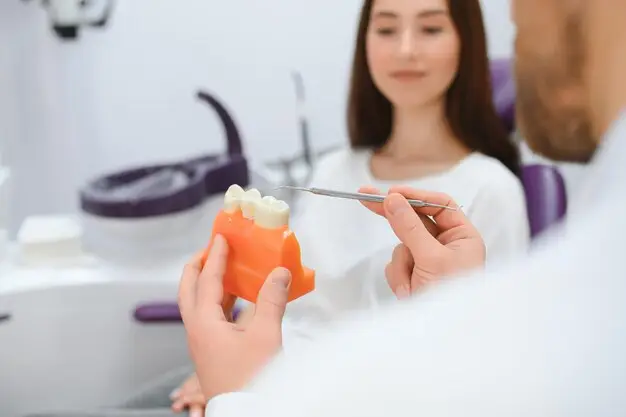
Veneers are best for cosmetic enhancements like discoloration and minor chips, while crowns provide structural reinforcement for severely damaged or weakened teeth. A consultation with your dentist can help determine the best option for your needs.
2. Is professional teeth whitening better than at-home treatments?
Yes, professional whitening is more effective, providing faster and longer-lasting results with stronger bleaching agents and customized treatment plans. At-home treatments may work overtime but often deliver less dramatic results.
3. How long does Invisalign treatment take compared to traditional braces?
Invisalign treatment typically lasts 12 to 18 months, whereas traditional braces may take 18 to 24 months or longer. However, the exact duration depends on the complexity of your case and how consistently you wear your aligners.
4. Can I combine multiple treatments like veneers, crowns, and whitening?
Yes! Many patients combine treatments for a complete smile makeover. For example, whitening before veneers or crowns ensures a uniform color, and Invisalign can align teeth before adding veneers or crowns for the best results.
5. How do I maintain my results after getting veneers, crowns, or whitening?
Maintain good oral hygiene by brushing twice daily, flossing, and attending regular dental check-ups. Avoid stain-causing foods and drinks, and wear a nightguard if you grind your teeth to protect veneers and crowns.