
Dental crowns are a key component in restorative dentistry that helps to strengthen and enhance the appearance of damaged teeth. Whether you’ve received a crown due to a cracked tooth, extensive decay, or following a root canal treatment, proper care is essential to ensure its longevity. With the right maintenance, dental crowns can last many years, allowing you to enjoy a functional and beautiful smile.
This blog will guide you through the best practices for taking care of your dental crowns, ensuring they stay intact, healthy, and aesthetically pleasing for as long as possible.
Key Takeaways:
- Regular and proper brushing is essential for the longevity of dental crowns.
- Avoid hard and sticky foods that could cause damage.
- Monitor your dental crowns for signs of wear or discomfort.
- Regular dental visits are crucial to check the condition of your crowns.
- Follow proper aftercare and maintenance instructions to avoid complications.
Why is Proper Care of Dental Crowns Important?

Dental crowns are designed to restore the natural structure of a tooth and protect it from further damage. However, without proper care, crowns can deteriorate, leading to potential damage or even the need for replacement. The longevity of dental crowns depends on a few crucial factors, including your oral hygiene practices, dietary choices, and the material of the crown itself. Regular care helps ensure the crowns continue to perform their protective role while also contributing to your overall oral health.
Tips for Caring for Dental Crowns
Caring for your dental crowns is a proactive way to extend their lifespan and avoid costly replacements. Here are some essential tips to help maintain your crowns:
1. Maintain Excellent Oral Hygiene
Proper oral hygiene is the cornerstone of maintaining dental crowns. This includes brushing, flossing, and using mouthwash as part of your daily routine to ensure that plaque doesn’t build up around the crown. Neglecting hygiene could lead to gum disease, tooth decay, and even damage to the crown itself.
- Brushing: Brush your teeth twice a day with fluoride toothpaste and a soft-bristled toothbrush. Brush around the dental crown and along the gum line to prevent plaque buildup. A gentle circular motion is best to avoid damaging the crown or surrounding gums.
- Flossing: Floss at least once a day to remove food particles and plaque from between your teeth and around your crowns. Special flossing tools designed for people with crowns can help you get into tight spaces without damaging the crown.
- Mouthwash: Use an alcohol-free mouthwash to help kill bacteria and promote a healthy mouth environment. Some mouthwashes also help in whitening the teeth and preventing staining.
2. Use Proper Brushing Techniques
Using the right brushing technique is important to keep your dental crowns intact and your gums healthy. The goal is to clean the crown and its surrounding area without causing any damage. Here’s the proper technique to use:
- Angle the Toothbrush Correctly: Hold your toothbrush at a 45-degree angle to your gum line. This allows the brush to clean both your teeth and gums effectively.
- Use Gentle Motions: Avoid aggressive brushing, as this can cause damage to your crown’s surface or gum recession around the crown. Gentle, circular motions are most effective.
- Don’t Forget the Gum Line: Focus on cleaning along the gum line where plaque and bacteria are more likely to accumulate. This helps prevent gum disease, which could lead to crown failure.
3. Avoid Hard and Sticky Foods
While dental crowns are durable, they can still be damaged if exposed to hard or sticky foods. Hard foods like nuts, ice, and hard candies can crack or dislodge crowns, while sticky foods such as caramel, gum, and taffy can pull on the crown and cause it to come loose.
Here are some food-related tips to protect your crowns:
- Avoid Biting Into Hard Foods: Don’t bite into hard foods such as nuts, hard candies, or ice. If you’re eating something hard, break it up into smaller pieces to avoid direct pressure on your crown.
- Limit Sticky Foods: Sticky foods like caramel or chewing gum can get stuck in your crown and pull on it, leading to potential damage. If you can’t avoid them altogether, chew them on the opposite side of your mouth.
- Eat Softer, Nutritious Foods: To protect your crowns, choose softer foods such as cooked vegetables, soft fruits, pasta, and rice. These foods are less likely to cause damage to your crowns and are generally better for your overall oral health.
4. Monitor for Signs of Wear or Damage
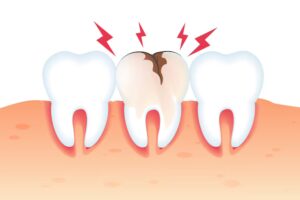
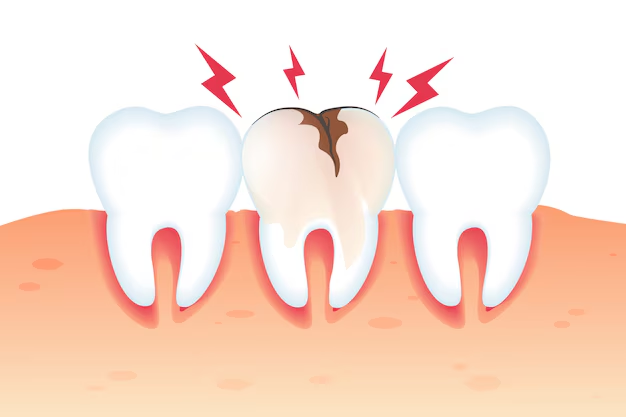
Dental crowns are designed to last for years. But over time, they may show signs of wear. It’s important to monitor your crowns regularly to detect any damage early. If you notice any of the following symptoms, consult your dentist:
- Discomfort or Pain: If you experience sensitivity, discomfort, or pain when biting down, it could be a sign that the crown is loose or damaged.
- Visible Cracks or Chips: Inspect the crown regularly for any visible signs of damage. If you notice any cracks, chips, or discoloration, make an appointment with your dentist for further evaluation.
- Loose Crown: If your crown feels loose or you notice it shifting, contact your dentist immediately. A loose crown can lead to further tooth decay and gum problems if left untreated.
5. Regular Dental Checkups
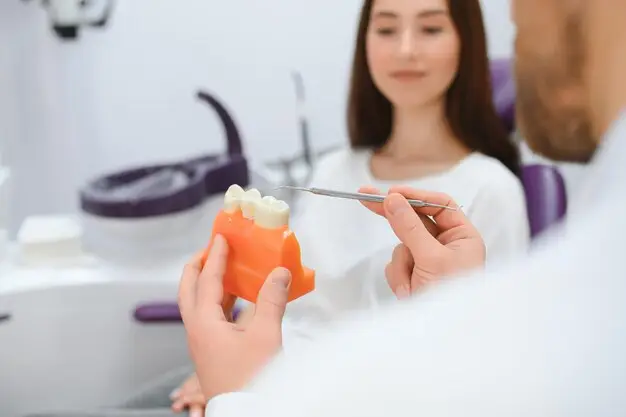
Scheduling regular dental checkups is essential to maintain the health of your crowns and teeth. During these appointments, your dentist will evaluate the condition of your crown and the tooth underneath. They’ll also clean your teeth to remove any plaque or tartar that might have accumulated around the crown.
- Dental Cleanings: Regular cleanings help remove buildup from around the crown, which prevents plaque from turning into tartar, which can contribute to gum disease or crown failure.
- X-rays: Dentists may take X-rays to assess the condition of the tooth beneath the crown and check for any decay or complications that may affect the crown’s longevity.
6. Avoid Teeth Grinding (Bruxism)
Bruxism, or teeth grinding, is a common condition that can put excessive pressure on dental crowns and lead to premature damage. If you grind your teeth, especially at night, it can wear down the crown surface and weaken the restoration.
Here are some tips to manage bruxism:
- Wear a Mouthguard: Your dentist may recommend a night guard to protect your crown from the pressure caused by teeth grinding during sleep.
- Manage Stress: Teeth grinding is often linked to stress or anxiety. Practicing relaxation techniques such as meditation or deep breathing exercises can help reduce the likelihood of grinding your teeth.
7. Regular Touch-ups for Aesthetic Longevity
While dental crowns are long-lasting, the appearance of crowns, especially porcelain and ceramic ones, can fade over time due to staining or wear. Regular touch-ups or refinishing can help maintain the aesthetic appeal of your crowns.
- Whitening Treatments: If your porcelain or ceramic crown starts to look discolored. Then ask your dentist if whitening treatments are safe for your type of crown.
- Re-polishing: A gentle polishing procedure can restore the luster of your crowns and keep them looking natural.
“Caring for your dental crowns is essential to ensure their longevity and your oral health. Simple habits like regular brushing, flossing, and avoiding hard or sticky foods can significantly extend the lifespan of your crowns. Regular dental checkups are key in maintaining their function and appearance, helping you avoid costly repairs or replacements.” — Leo Kharin, D.M.D.
Why Choose Bedford Dental?
At Bedford Dental, we believe that a beautiful smile starts with proper dental care. Our team of skilled professionals is dedicated to providing comprehensive dental services, including crown care. It ensures the longevity of your restorations and promotes optimal oral health. We focus on personalized treatments. We take time to listen to your needs and concerns while offering expert advice on maintaining your dental crowns and overall oral health.
By choosing Bedford Dental, you benefit from our experience, commitment to patient satisfaction, and the latest advancements in dental care. We understand the importance of a healthy, functional smile. Yes, we strive to make your dental experience as smooth and effective as possible.
FAQs
- How long do dental crowns typically last?
Dental crowns can last between 10 and 15 years, depending on the material and care they receive. With proper maintenance, some crowns can last even longer. - Can I eat normally with a dental crown?
Yes, you can eat normally, but it’s important to avoid very hard or sticky foods that could damage the crown. - Are there any foods I should avoid after getting a crown?
After getting a crown, avoid hard foods like ice and popcorn, as well as sticky foods like caramel or chewing gum, to prevent damage. - Can dental crowns cause pain?
Dental crowns should not cause pain if they are properly fitted. However, if you experience discomfort, it could indicate a problem with the crown or the tooth beneath it.