
Cracking a tooth can be an unexpected and painful experience. Whether it’s from biting into something too hard, grinding your teeth at night, or just wear and tear over time, a cracked tooth can throw off your whole day. If you’re experiencing that sharp jolt of pain when you bite down or drink something cold, you might be dealing with more than just a sensitive tooth. The good news? There’s a reliable solution that doesn’t involve losing your natural tooth entirely. It’s called a dental onlay.
In this blog, we’ll walk you through what a cracked tooth is, why it happens, what symptoms to watch out for, and why a dental onlay might be the right solution for you. Think of it as your go-to guide for understanding one of the most common dental problems and how to fix it.
Key Takeaways
- A cracked tooth can result from trauma, grinding, or decay
- Symptoms include pain, sensitivity, and visible cracks
- Onlays are a conservative, durable solution
- They preserve natural tooth structure while restoring function and appearance
What is a Cracked Tooth?

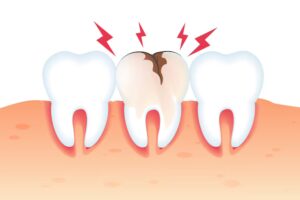
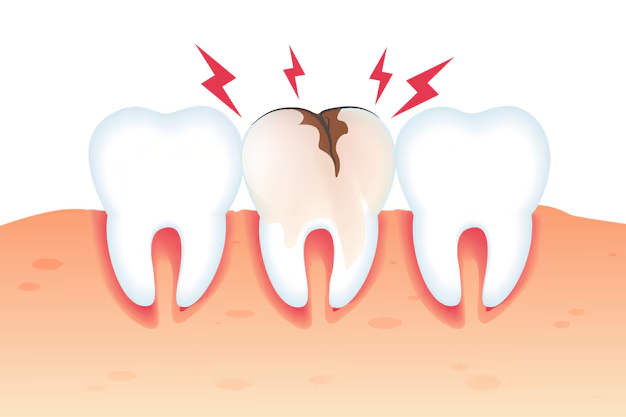
A cracked tooth means that the outer enamel and possibly the inner parts of the tooth have fractured. Some cracks are minor, while others can extend into the gum line or pulp. If left untreated, cracks can lead to infection or even tooth loss. It’s a condition that often starts small but can become serious quickly if ignored.
What Causes Teeth to Crack and How Onlays Can Help
There’s no single cause. Cracks can form from many everyday things:
- Accidents or injuries: Sports injuries or falls can result in a direct hit to your teeth
- Teeth grinding: Also known as bruxism, this often occurs during sleep and puts intense pressure on teeth
- Biting hard foods: Ice, hard candy, and even popcorn kernels are common culprits
- Large fillings: These can weaken the remaining tooth structure over time
- Aging: Natural wear and tear can make teeth more vulnerable
Signs You Might Have a Cracked Tooth
Cracked teeth are tricky. Sometimes, the crack is invisible but still causes discomfort. Keep an eye out for these symptoms:
- Pain while chewing: A sharp, sudden pain, especially when releasing pressure
- Sensitivity: Discomfort when eating or drinking something hot or cold
- Intermittent pain: The pain may come and go, making it hard to pinpoint
- Gum swelling: Particularly around the cracked tooth
- Visible crack or chip: Sometimes you can actually see or feel the damage
If any of these sound familiar, it’s time to see your dentist.
How Do Dentists Diagnose Cracked Teeth?
Dentists have several methods to figure out if your tooth is cracked:
- Visual exam: Using tools and good lighting to check the surface
- Bite test: You bite down on a tool to identify the painful area
- X-rays: Helpful for spotting deeper damage, though not all cracks show up
- Transillumination: A bright light helps reveal hidden cracks
Early diagnosis is key. The sooner you act, the more likely your tooth can be saved.
“Cracked teeth can be tricky to spot, but with the right tools and experience, we can catch them early before they cause serious damage, says Dr. Kharin, Bedford Dental.
Treatment Options: Filling vs. Onlay
When it comes to repairing a cracked tooth, two of the most common solutions are dental fillings and onlays. Each has its place, but for more severe cracks. Onlays are often the better choice.
Dental Fillings
Fillings are ideal for small cracks or minor decay. They’re affordable and quick to place. However, they’re not as strong or long-lasting as onlays, especially for back teeth that do a lot of grinding and chewing.
Dental Onlays
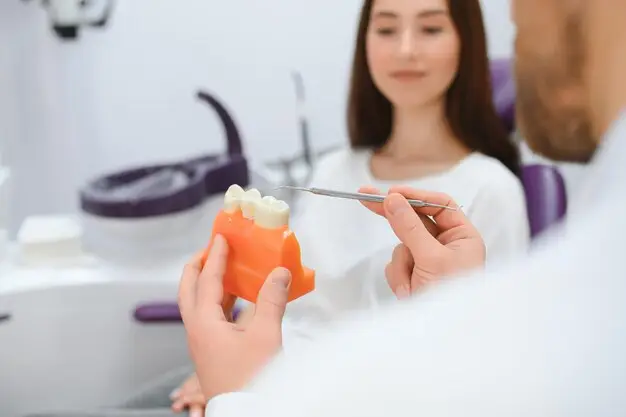
Onlays cover a larger portion of the tooth and are custom-made to fit your tooth precisely. Think of them as a middle ground between a filling and a crown. They’re ideal for larger cracks that haven’t yet destroyed the whole tooth.
Why Dental Onlays Might Be Your Best Fix
Here’s why dental onlays shine when it comes to treating cracked teeth:
1. They Preserve Natural Tooth Structure
Unlike full crowns, onlays don’t require your dentist to shave down your entire tooth. That means more of your natural tooth stays intact, which is better for your long-term dental health.
2. Strong and Durable
Onlays are made from tough materials like porcelain or composite resin. They can handle the daily grind of chewing and biting. With good care, they can last 10 to 20 years or more.
3. They Look Natural
Because they’re custom-matched to your tooth color, onlays blend in beautifully. No one will notice you’ve had dental work done.
4. Better Fit and Comfort
Thanks to modern technology, onlays are often created using digital scans and milling machines. That means a better fit, more comfort, and fewer adjustments.
5. Long-Term Savings
Yes, onlays cost more upfront than fillings. But their durability means fewer replacements down the line. That can save you time, money, and hassle in the future.
Advancements in Onlay Technology
Modern dentistry has come a long way. CAD/CAM (Computer-Aided Design and Manufacturing) technology allows for same-day onlays in many dental offices. These machines carve the onlay from a block of porcelain right in the clinic, reducing wait time and improving precision. New bonding techniques also mean a stronger seal between the onlay and your tooth. That reduces the chance of future issues like bacteria getting under the onlay.
Why Choose Bedford Dental?
At Bedford Dental, we combine expertise, technology, and compassion to give you the best care possible. Our team takes the time to understand your concerns, explain your treatment options, and create a personalized plan that suits your needs and budget. We use advanced diagnostic tools to catch issues early and apply high-quality materials for long-lasting results. Your comfort and confidence are our top priorities from the moment you walk through our door.
The Bottom Line
If you’re dealing with the pain or worry of a cracked tooth, don’t wait. The longer a cracked tooth goes untreated, the higher the risk of infection, pain, or even tooth loss. Dental onlays offer a strong, long-lasting, and aesthetically pleasing solution that can restore your tooth and your peace of mind.
Talk to your dentist about whether a dental onlay is right for you. And if you’re in the Bedford area, we’d love to help.
Also, read our other blogs here to learn more about other dental problems and their effective solutions.
Frequently Asked Questions
1. How long does a dental onlay last?
With proper care, a dental onlay can last anywhere from 10 to 20 years. Regular dental checkups and good oral hygiene help extend its lifespan.
2. Is getting an onlay painful?
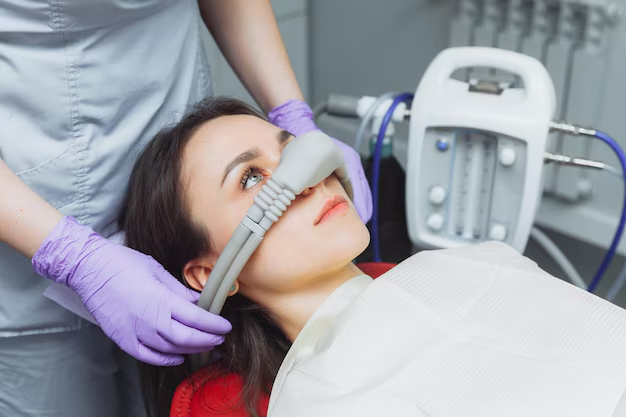
Not at all. The procedure is usually done under local anesthesia, and most patients report minimal discomfort during and after the process.
3. Can onlays fall off?
It’s rare, but it can happen if the bond weakens or the tooth is under extreme pressure. A dentist can easily reattach or replace a dislodged onlay.
4. Are onlays covered by insurance?
Many dental insurance plans offer partial coverage for onlays, but it depends on your specific plan. It’s always a good idea to check with your provider.
5. How do I care for a tooth with an onlay?
Brush twice daily, floss regularly, and avoid chewing on hard items like ice or pens. Visit your dentist for routine exams and cleanings to keep your onlay in top shape.
Want to learn more about how we treat cracked teeth with precision and care? Contact us at Bedford Dental today to book a consultation!