
Dental Implant Options in Bedford, MA: Types, Procedure, Cost & Recovery
Dental implants in Bedford Dental, MA provide a long-lasting and natural-looking solution for replacing missing teeth. They are designed to restore both function and appearance while supporting long-term oral health.
This guide explains the types of dental implants available in Bedford, MA, the step-by-step procedure, cost factors, and recovery process so you can make an informed decision about your treatment options.
Types of Dental Implants in Bedford, MA

Implant designs address different anatomical and clinical needs. Main categories include:
- Endosteal Implants: Titanium posts placed in the jawbone that act as artificial roots.
- Subperiosteal Implants: Positioned under the gum but above the bone, used when jawbone volume is limited.
- Mini Dental Implants: Narrower implants for limited space or lower bone volume.
Discuss these options with your clinician to choose the solution that meets your functional and aesthetic goals. Clinical literature examines subperiosteal implants as an option for patients with inadequate bone volume, particularly when digital design methods are applied.
Are Dental Implants Right for You?
Dental implants are a highly effective solution for replacing missing teeth, but they are not suitable for everyone. Determining candidacy requires a detailed clinical evaluation, including oral health assessment, bone structure analysis, and a review of overall medical history.
In general, you may be a good candidate for dental implants if you have one or more missing teeth and are looking for a long-term, stable replacement option that looks and functions like natural teeth.
Key Factors That Determine Candidacy
- Healthy gums: Strong and infection-free gums are essential for successful implant placement. Conditions like gum disease must be treated before moving forward with implant surgery.
- Adequate jawbone density: Dental implants require sufficient bone to anchor securely. If bone loss has occurred, procedures such as bone grafting or sinus lifts may be recommended to build a stable foundation.
- Good overall health: Conditions such as uncontrolled diabetes, immune disorders, or certain chronic illnesses can affect healing and may influence treatment planning.
- Non-smoking or willingness to quit: Smoking can significantly slow healing and increase the risk of implant failure. Patients are often advised to stop smoking before and after the procedure.
- Commitment to oral hygiene: Long-term success depends on maintaining excellent oral hygiene, including regular brushing, flossing, and routine dental check-ups.
When Dental Implants May Not Be Recommended
In some cases, dental implants may need to be delayed or reconsidered. This can include situations where there is severe bone loss that cannot be corrected, untreated gum disease, or medical conditions that impair healing.
A thorough consultation with a dental professional is the best way to determine whether implants are the right solution for your specific needs and oral health condition.
Dental Implant Procedure in Bedford, MA
The dental implant process in Bedford, MA follows a structured, step-by-step approach to ensure long-term success and stability.
- Initial Consultation: A detailed oral examination, medical history review, and digital imaging are performed to assess bone structure and treatment needs.
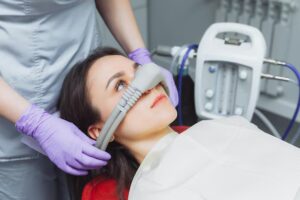
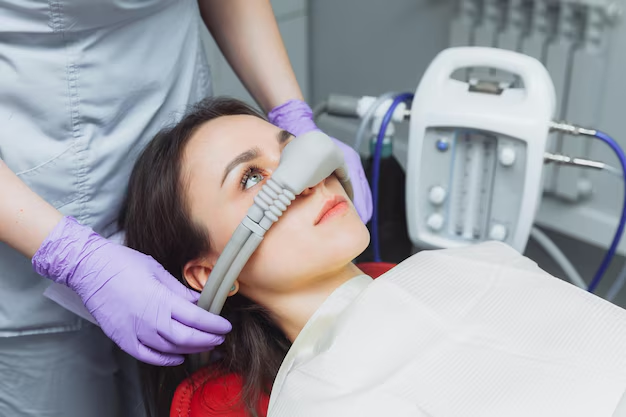
- Implant Placement: A titanium implant is surgically placed into the jawbone under local anesthesia to act as an artificial tooth root.
- Healing and Osseointegration: Over the next few months, the implant naturally fuses with the jawbone, creating a stable foundation.
- Final Restoration: Once healing is complete, a custom-made crown is attached to restore full function and appearance.
Completing each stage supports long-term stability of the implant-supported restoration.
How Is Personalized Treatment Planned at Bedford Dental LLC?
Treatment planning begins with a focused clinical assessment and diagnostic imaging. The team reviews oral health, function and cosmetic goals to create a customised plan that aligns with your objectives.
Cost of Dental Implants in Bedford, MA
The cost of dental implants in Bedford, MA varies based on several clinical and procedural factors. Every treatment plan is customized according to the patient’s oral health condition and restorative needs.
Several elements influence the overall treatment plan, including:
- Type of dental implant selected
- Complexity of the surgical procedure
- Need for additional treatments such as bone grafting or preparatory care
- Materials and components used for restoration
During your consultation at Bedford Dental LLC, a personalized treatment plan is created after a detailed clinical evaluation. This ensures that the recommended approach aligns with both functional needs and long-term oral health goals.
Recovery After Dental Implant Surgery

Recovery after dental implant surgery is a gradual process that focuses on healing and integration of the implant with the jawbone.
- Healing Timeline: Most patients require 3–6 months for complete osseointegration, although this may vary depending on individual health conditions.
- Post-Procedure Care: Patients should follow all aftercare instructions, including pain management, oral hygiene, and dietary guidelines.
- Follow-Up Visits: Regular dental check-ups are essential to monitor healing and ensure proper implant stability.
Proper aftercare significantly improves long-term success and reduces the risk of complications.
What Is the Expected Recovery Time and Aftercare for Dental Implants?
Osseointegration commonly requires three to six months. Consistent aftercare and following clinician instructions are essential to support successful integration.
Recent work emphasises the role of standardised post-surgical aftercare protocols in promoting wound healing and reducing complications after implant procedures. To learn more about our team and our approach to care, visit our about page.
What Are the Recommended Maintenance Practices for Long-Term Implant Success?
Long-term success relies on consistent maintenance and monitoring. Recommended practices include:
- Regular Oral Hygiene: Daily cleaning to prevent infection and preserve tissues.
- Routine Dental Check-Ups: Professional reviews and cleanings to monitor implant health.
- Avoiding Harmful Habits: Smoking and excessive alcohol can impair healing and longevity.
Following these measures reduces complication risk and helps preserve function and aesthetics.
If you are considering cosmetic enhancements, cosmetic dentistry can complement implant therapy.
Conclusion
Dental implants in Bedford, MA provide a reliable way to restore function and appearance. Understanding implant types, the treatment pathway, costs and recovery helps you make informed choices. Prioritise personalised care and routine maintenance to achieve durable, predictable results and a healthier smile.
Frequently Asked Questions
What are the potential risks associated with dental implant surgery?
Risks include surgical site infection, nerve injury, sinus complications (for upper jaw implants) and possible failure of osseointegration. Discussing personal risk factors at consultation helps clinicians mitigate risks.
How do I know if I am a good candidate for dental implants?
Good candidates typically have healthy gums and sufficient bone. Age, systemic health and smoking can affect candidacy. Clinical exam and imaging determine if implants are appropriate or if preparatory treatment is needed.
Can dental implants be placed immediately after tooth extraction?
Immediate placement is possible in selected cases and can shorten treatment time and preserve bone. Suitability depends on the extraction site condition, infection status and overall oral health.
What should I expect during the healing process after implant surgery?
Expect temporary swelling, bruising and discomfort managed with prescribed or over-the-counter analgesics. Adhering to post-operative instructions, dietary adjustments and oral hygiene supports predictable healing and integration.
Are there any dietary restrictions after getting dental implants?
Yes. A soft-food diet is recommended for several days to protect the surgical site, options like yogurt, smoothies and mashed vegetables are suitable. Reintroduce solid foods gradually and avoid hard or sticky items initially.
How long do dental implants last, and what factors affect their longevity?
With proper care, implants can last many years. Longevity depends on oral hygiene, regular maintenance, implant and bone quality, and lifestyle factors such as smoking. Following maintenance protocols improves outcomes.