
Waking up with a sore jaw or a dull headache is not something you should accept as normal. For many people in Bedford, MA, those symptoms point to bruxism, a common condition that can affect your teeth, your jaw, and your quality of sleep. The good news is that bruxism treatment is often straightforward and non-invasive, and it can bring real relief.
Bruxism is the medical term for the involuntary grinding, clenching, or gnashing of teeth. It frequently happens during sleep, which means many people do not realize they are doing it until a dentist notices the effects. If you have been dealing with jaw discomfort, headaches, or worn-down teeth, learning about your treatment options is the first step toward protecting your smile.
What Is Bruxism?
Bruxism is the involuntary grinding, clenching, or gnashing of teeth. It is a common condition that often occurs during sleep or during periods of stress. An occasional grinding episode may not cause lasting problems, but persistent grinding or clenching places excessive pressure on the jaw joints and the surrounding muscles. Over time, that pressure can lead to real damage.
For many people, bruxism is closely linked to temporomandibular joint disorders. When the joint that connects your jaw to your skull becomes inflamed, you may feel discomfort and soreness throughout your face. Because bruxism can contribute to that inflammation, treating the grinding is often the first step in relieving the pain.
How Bruxism and TMJ Disorders Are Connected
TMJ disorder is more common than many people realize. When it develops as a result of teeth grinding or clenching, it can cause much discomfort and soreness. The inflammation that builds up in your jaw joints can make chewing, talking, and even yawning feel uncomfortable.
The connection works in both directions. Grinding places strain on the jaw joint, and jaw joint problems can make grinding worse. Specialized dental practices focus on treating teeth grinding precisely because it is so often tied to TMJ pain. Addressing the grinding helps the joint settle down, and addressing the joint tension helps reduce the urge to clench.

Common Signs of Teeth Grinding and Clenching
Because grinding often happens while you sleep, the signs can be easy to miss. However, a few symptoms tend to show up regularly in people with bruxism:
- Jaw pain or soreness, especially in the morning
- Headaches that begin as soon as you wake up
- Worn-down, flattened, or chipped teeth
- Discomfort in the facial muscles
- Tooth sensitivity that has no clear cause
Many people learn they grind their teeth during a routine dental visit. A dentist can recognize the wear patterns on your teeth and ask about symptoms like morning headaches or jaw fatigue. If any of these signs sound familiar, mention them at your next appointment.
Why Bruxism Treatment Matters
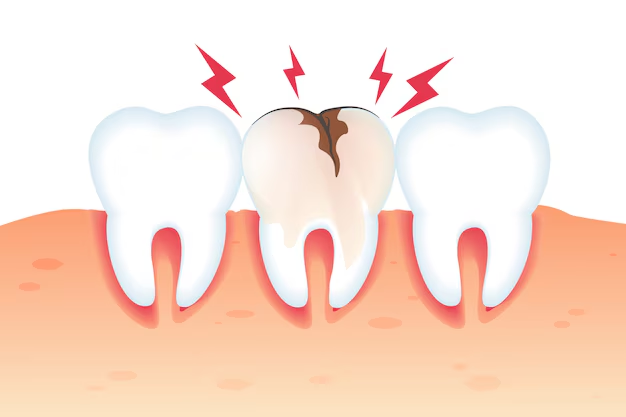
Left untreated, teeth grinding and clenching can lead to serious damage to your teeth. The constant pressure wears down enamel, the protective outer layer of your teeth. As enamel thins, teeth become sensitive, uneven, and more vulnerable to cracks.
Treating bruxism is about more than saving your enamel. It also means improving your sleep and safeguarding your dental health. Dentists treat bruxism through a variety of approaches aimed at reducing tooth damage and alleviating pain, so you can wake up feeling rested instead of sore.
Bruxism Treatment Options in Bedford, MA
There is no single treatment that works for everyone. The right approach depends on your symptoms, the condition of your teeth, and what may be triggering your grinding. Most treatment plans combine a protective appliance with habits that reduce stress and muscle tension.
Custom Oral Appliances: Nightguards and Splints
One of the easiest and most common treatments for bruxism is a custom oral appliance. A customized oral appliance is designed to minimize teeth grinding and clenching while also relaxing your jaw and facial muscles. For many patients, a nightguard is the ideal solution.
A night guard is designed to prevent teeth grinding and clenching. It acts as a protective barrier between your upper and lower teeth, so the force of grinding does not wear down your enamel. Nightguards are a non-invasive treatment option, which means no drilling, no injections, and no permanent changes to your teeth.
Some patients benefit more from a splint. A splint is a temporary, clear plastic appliance that helps relax the jaw and reduce muscle tension. Custom-made occlusal splints are often used in TMJ therapy to relieve jaw pain and help the joint rest in a more comfortable position. Your dentist can help determine which type of appliance fits your needs.
Stress Management and Relaxation Techniques
Bruxism is closely tied to stress. Grinding often becomes more frequent during stressful periods, so lowering your stress level can reduce the grinding itself. Relaxing activities such as meditation, yoga, or deep breathing can help lower the stress that causes bruxism.
These techniques work well alongside a nightguard or splint. A protective appliance shields your teeth while stress management reduces the tension that drives the grinding. Together, they give your jaw the rest it needs.
Biofeedback and Physical Therapy
Stress management techniques such as biofeedback may also be recommended for bruxism. Biofeedback helps you become more aware of muscle tension and teaches you to relax those muscles on purpose. Physical therapy is another supportive option that can ease tension in the jaw, neck, and facial muscles. These approaches are often combined with a custom oral appliance for more complete relief.
What to Expect at a Bruxism Consultation
If you are looking for bruxism treatment in Bedford, MA, a dental consultation is the right place to start. Your dentist will examine your teeth for signs of wear, ask about your symptoms, and discuss your sleep habits and stress levels. Some practices specialize in TMJ and teeth grinding, offering a range of services to help with these dental issues. That expertise matters because bruxism treatment is not just about the teeth; it involves the entire jaw system.
Because most bruxism treatment is non-invasive, you can usually begin protecting your teeth right away. A custom nightguard or occlusal splint is made to fit your bite comfortably, so it is easy to wear while you sleep. Your dentist can also guide you on relaxation techniques and daily habits that support a calmer jaw.
Frequently Asked Questions
What is bruxism?
Bruxism is the medical term for involuntary grinding, clenching, or gnashing of teeth. It is a common condition that often occurs during sleep or during periods of stress. While occasional grinding may not cause lasting problems, persistent grinding can place excessive pressure on the jaw joints and surrounding muscles, which may contribute to TMJ disorders.
How do I know if I grind my teeth?
Common symptoms of bruxism include jaw pain, headaches, and worn-down teeth. Because grinding often happens during sleep, many people do not realize they are doing it until a dentist spots tooth wear during a routine exam. If you wake up with a sore jaw or tension headaches, bruxism may be the reason.
What treatments are available for bruxism?
Dentists treat bruxism through a variety of approaches aimed at reducing tooth damage and alleviating pain. Custom oral appliances such as nightguards and splints are a common, non-invasive treatment. Stress management techniques, biofeedback, physical therapy, and relaxing activities like meditation and deep breathing may also be recommended.
Can stress cause teeth grinding?
Yes. Bruxism often occurs during periods of stress, and relaxing activities such as meditation, yoga, or deep breathing can help lower the stress that causes grinding. If stress is a factor for you, adding these practices to your routine can complement your dental treatment and support a more relaxed jaw.