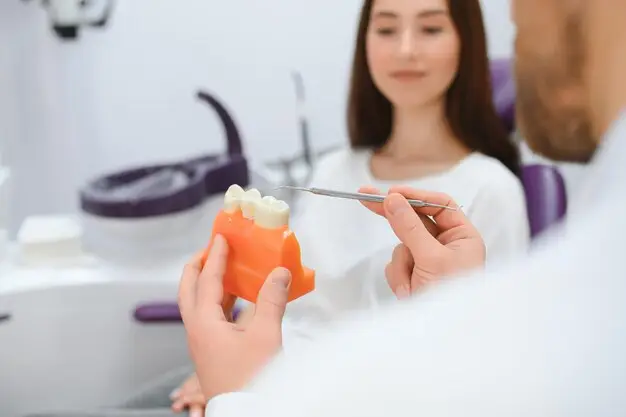

Temporomandibular joint disorders, commonly called TMJ disorders, can cause significant discomfort and affect quality of life. Jaw pain, facial tension, and teeth grinding can make eating, speaking, and resting difficult. Botox, widely recognized for its cosmetic applications, has emerged as a helpful option for managing TMJ-related symptoms. At Bedford Dental in Bedford, MA, Botox therapy is offered as part of a holistic approach to jaw care, giving patients a non-surgical path to pain relief and improved oral health.
What Is TMJ Disorder?
TMJ refers to the temporomandibular joint, the hinge that connects your jaw to your skull. When this joint becomes inflamed or the muscles around it become over-active, a TMJ disorder can develop. Dental professionals note that TMJ disorder often develops as a result of teeth grinding or clenching, also known as bruxism. This repeated grinding and clenching puts pressure on the joint and surrounding tissues, leading to soreness, stiffness, and inflammation.
Because the temporomandibular joint is involved in chewing, talking, and yawning, TMJ symptoms can interfere with everyday activities. The discomfort can range from mild annoyance to severe pain that affects sleep and concentration. Understanding the source of the pain is the first step toward finding effective relief, and for many patients, Botox offers a solution that targets the muscle tension driving their symptoms.
Common Signs of TMJ Disorder and Bruxism
TMJ symptoms are not always obvious at first. Many patients live with jaw discomfort for months before connecting it to a TMJ disorder. Some of the more common signs include:
- Pain or soreness in the jaw, face, or neck
- Teeth grinding or clenching during the day or while sleeping
- Lock jaw or difficulty opening and closing the mouth fully
- Muscle spasms in the jaw area
- Tension headaches or ear discomfort
If these symptoms sound familiar, a dental consultation can help determine whether muscle tension or a structural jaw issue is the cause. Identifying the underlying factor guides the choice of treatment, and it is also the reason why a personalized evaluation matters before starting any TMJ therapy.
How Botox Relieves TMJ Symptoms
Botox injections can play a role in treating TMJ by altering the movement of the muscles supporting your jaw. When injected into specific points, Botox relaxes over-active jaw muscles and reduces the tension that drives clenching, grinding, and spasms. This helps prevent the jaw muscles from being over-active, which lowers the strain placed on the joint and teeth.
Botox works best for those whose TMJ pain is related to muscle tension rather than structural jaw problems. For these patients, the treatment can improve teeth grinding, lock jaw, and the general soreness that accompanies chronic clenching. By reducing the severity of muscle spasms, Botox gives the jaw a chance to rest and recover, which often leads to a noticeable reduction in pain.
Benefits of Botox for Jaw Pain and Overall Oral Health
Botox offers a range of benefits beyond simple pain relief. It is a safe and effective treatment to relax muscles and reduce tension in the jaw and face. For patients with bruxism, Botox can reduce excessive teeth grinding, protecting the teeth from the wear and tear caused by constant clenching. This can have a positive effect on long-term oral health by limiting damage to enamel and reducing strain on the joint.
Patients may notice several improvements after treatment:
- Reduced severity of jaw muscle spasms
- Less tension in the jaw, face, and neck
- Fewer symptoms related to teeth grinding and clenching
- Improvement in lock jaw symptoms
- Easing of forehead lines and neck bands that develop from chronic muscle tension
Because Botox addresses the muscle component of TMJ, it complements other dental treatments aimed at correcting bite issues and protecting the teeth.
A Complete TMJ Treatment Plan at Bedford Dental
At Bedford Dental, jaw care is approached holistically. Rather than relying on a single treatment, the dental team looks at the whole picture and builds a plan around each patient’s needs. Botox is often combined with a customized therapeutic mouthpiece that helps rebalance the bite and reduce the severity of muscle spasms. TMJ appliances or splints can also prevent jaw clenching and teeth grinding, adding a layer of protection while Botox works to relax the muscles.
This combination strategy is particularly helpful for patients whose symptoms are driven by nighttime grinding. The mouthpiece absorbs the force created by clenching, while Botox reduces the muscle activity that causes the grinding in the first place. Together, these treatments address both the symptoms and the underlying habits, offering a more complete path to relief.

Botox Treatment at Bedford Dental in Bedford, MA
Botox treatment at Bedford Dental helps enhance facial aesthetics and relieve TMJ symptoms under the expert care of Dr. Leo Kharin. Each treatment begins with a consultation to review your symptoms, examine your jaw, and determine whether Botox is the right option for your situation. Botox is most effective when TMJ pain is connected to muscle tension rather than structural problems, so the consultation focuses on identifying the true source of discomfort.
Patients in Bedford, MA and nearby communities can visit Bedford Dental to learn more about how Botox fits into their jaw care plan. The team explains the process clearly, answers questions, and makes sure patients feel comfortable before moving forward. This personalized care is part of the practice’s commitment to using advanced treatments in a relaxed and supportive environment.
Who Is a Good Candidate for Botox for TMJ?
Botox for TMJ is not the right choice for everyone. It works best for patients whose pain is related to muscle tension, including those who grind or clench their teeth. People with structural jaw problems may require a different approach. A consultation with a dental professional is the best way to determine candidacy.
During that visit, the dentist will evaluate your symptoms, discuss your medical history, and explain how Botox could fit into a broader TMJ treatment plan. This evaluation helps set realistic expectations and ensures the treatment addresses the actual cause of your pain. For many patients, the result is a non-surgical option that brings meaningful relief without the downtime associated with more invasive procedures.
Frequently Asked Questions
Can Botox help with teeth grinding?
Yes. Botox can reduce excessive teeth grinding by relaxing the jaw muscles and preventing them from being over-active. This helps lower the force placed on the teeth and joints, which eases the soreness and discomfort commonly associated with bruxism. Your dentist can discuss whether Botox alone or Botox combined with a mouthpiece is the better option for your grinding habits.
Who is a good candidate for Botox for TMJ?
Botox works best for patients whose TMJ pain is related to muscle tension rather than structural jaw problems. If your symptoms come from clenching, grinding, or over-active jaw muscles, Botox may provide meaningful relief. A consultation is needed to confirm that muscle tension is the main source of your symptoms and to rule out other causes.
How does Botox fit into a complete TMJ treatment plan?
Botox can be combined with a customized therapeutic mouthpiece to rebalance the bite and reduce the severity of muscle spasms. TMJ appliances or splints can also prevent jaw clenching and teeth grinding. Together, these treatments address both the muscle tension and the habits that contribute to TMJ symptoms, giving patients a more complete approach to care.
Does Botox for TMJ also provide cosmetic benefits?
Yes. In addition to treating TMJ symptoms and reducing teeth grinding, Botox can ease forehead lines and neck bands that develop from chronic tension. At Bedford Dental, Botox treatment can enhance facial aesthetics while also relieving jaw tension, making it a dual-purpose option for patients who want to address both pain and appearance.