A cracked, heavily worn, or badly decayed tooth often ends with the same recommendation: a crown. What has changed is how quickly that crown can be made. Same-day crown technology combines digital impressions, computer modeling, and in-office milling into one process, which means many patients leave with a permanent restoration instead of a temporary one and a second appointment on the calendar.
For patients in Bedford, MA and the surrounding towns, that shift is mostly about time and comfort. Our practice focuses on digital dentistry tools for scanning, diagnostics, and hygiene, and crowns are one of the clearest examples of how those tools change the patient experience. This article explains what a same-day crown is, how the workflow fits together, and what to ask before you commit to treatment.
What a Same-Day Crown Actually Means
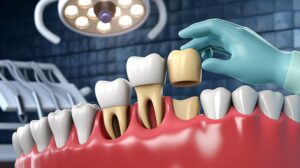
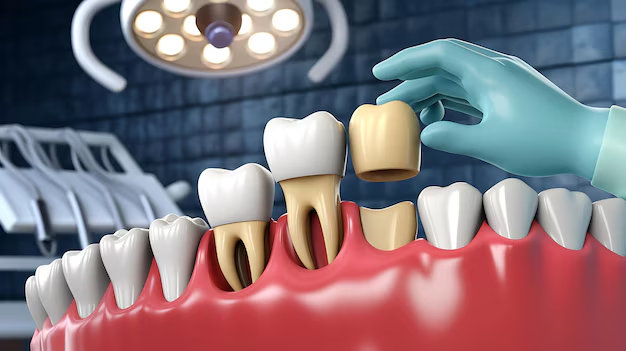
A crown is a custom cap that covers a weakened or damaged tooth to protect it and restore its shape and function. Same-day crowns are crowns designed, produced, and placed during a single office visit rather than being sent to an outside lab and returned days or weeks later.
The technology behind this is often described by the name CEREC. CEREC is a dental technology that allows patients to go home with a high-quality porcelain crown, and it is widely used for what practices call same-day dentistry or same-day restorations. The key promise is simple: a permanent, precision-fitted crown in a single office visit, with the crown milled on-site in minutes.
That phrase, milled on-site, is the part that surprises people most. The crown is not ordered, shipped, or adjusted across multiple appointments. It is produced in the practice while the patient waits.
Why Traditional Crowns Took Two Visits
Understanding the older workflow helps explain why same-day crowns feel like a meaningful change. In the traditional model, the tooth is prepared and then a mold or impression is taken and sent to a dental laboratory. The lab fabricates the crown, and the patient returns later to have it cemented into place.
Because the finished crown is not available during that first appointment, the tooth needs protection in the meantime. That is where temporary crowns come in. CEREC same-day crowns eliminate the need for temporary crowns and can be done in just one office visit, which removes several small but real inconveniences at once: a placeholder restoration that can loosen or break, a second trip across town, and a gap between preparation and final placement.
Digital workflows address the same set of problems from a different direction. Instead of capturing the tooth with impression material and shipping a physical model, the practice captures it digitally, designs the restoration on screen, and manufactures it in the office.

The Three Steps of the Digital Workflow
Same-day crown technology eliminates the traditional inconveniences by combining digital impressions, computer modeling, and in-office milling into one seamless process. Each stage matters, and each one happens while you are still in the chair.
Step One: Digital Impressions
An intraoral scanner captures the shape of the prepared tooth, the surrounding teeth, and your bite. Our office works with the iTero scanner, the same family of technology we use for clear aligner planning and other digital records.
A scan produces a precise digital model that can be viewed, rotated, and measured immediately. If something looks off, it can be recaptured on the spot rather than mailed back and forth with a lab.
Step Two: Computer Modeling and Design
The scanned data feeds into computer-aided design software, where the crown is shaped to fit your tooth, your bite, and your smile. This is where the phrase CAD/CAM comes from: computer-aided design and computer-aided manufacturing.
Because the design is digital, it can be adjusted in minutes. Contacts with neighboring teeth, the height of the bite, and the shading of the material can all be reviewed before anything is milled. CEREC restorations are CAD/CAM porcelain restorations, and they are designed to provide a life-like replacement for older metal fillings and stained teeth.
Step Three: In-Office Milling and Placement
The approved design is sent to a milling unit in the practice, which carves the crown from a block of porcelain. Milling takes minutes rather than days, and the finished crown is then tried in, refined if needed, and bonded to the tooth.
Patients walk out with a permanent crown rather than a temporary one, and the total appointment stays within a single visit.
Traditional and Same-Day Crowns Side by Side
The differences are easiest to see in a direct comparison. The table below reflects the general workflow described by same-day crown providers and should be treated as a general picture, since the details of your case determine how treatment actually runs.
| Stage | Traditional lab crown | Same-day digital crown |
|---|---|---|
| Records | Impression material sent to an outside lab | Digital intraoral scan captured in the office |
| Design | Completed by a dental laboratory technician | Completed chairside with CAD software |
| Production | Fabricated off-site, then returned | Milled on-site in minutes |
| Temporary crown | Usually needed between visits | Eliminated |
| Visits to finish | Typically more than one | Can be completed in one office visit |
How One-Visit Crowns Fit Into a Digital Practice
Same-day crowns rarely stand alone. In a practice built around digital dentistry, the same scans and images support several other services, which is part of why the investment makes sense.
Digital scanning helps with clear aligner treatment such as Invisalign, where the shape of your teeth is used to plan movement. Digital imaging and diagnostic tools support routine exams and treatment planning. Hygiene technology like Airflow cleanings keeps the gum tissue healthy, which matters before and after any restorative work. Cosmetic options such as veneers and professional whitening are planned with the same digital records.
The practical benefit for patients is continuity. Your crown is not an isolated event recorded on a piece of paper. It becomes part of a digital chart that your dentist can compare against future scans and photos.
Who Tends to Be a Candidate for a Same-Day Crown
Dental crowns are used for more than one reason. Practices describe two primary objectives: protecting your teeth and restoring your smile. Common situations include a fracture, severe decay, a tooth that has already had a large filling or root canal treatment, or a tooth that needs to be strengthened so it can withstand normal biting forces.
According to same-day crown providers, whether a tooth qualifies depends on its location, how much healthy structure remains, and the condition of the bite. Some cases are better served by a different type of restoration or by a lab-made crown. Others benefit from an implant or a bridge rather than a single crown.
That determination is clinical, not cosmetic, and it is made after an exam and imaging. If a same-day crown is not the right answer for your tooth, a good practice will say so and explain the alternative rather than force the workflow.
Questions to Ask Before You Book
- Is my tooth a candidate for a same-day crown, and if not, why not?
- Which material will be used, and how does it match the rest of my teeth?
- What is covered if I need an adjustment after the crown is placed?
- How does my dental insurance handle this procedure, and what would I owe out of pocket?
- What should I expect for sensitivity or soreness afterward, and how long does it usually last?
Cost deserves special mention because it is the most common unanswered question. The sources reviewed for this article do not publish current rates for same-day crowns in Bedford, Massachusetts, and prices vary by practice, material, and tooth. Ask for a written estimate before treatment begins and confirm coverage directly with your insurance carrier. Any figure you see online should be verified with the office that will actually do the work.
If you already know you grind your teeth or have jaw tension, mention it during the consultation. Our practice offers Botox for TMJ and bruxism, and addressing clenching is often part of protecting a new crown over the long term.
Making the Decision
Same-day crowns are a workflow change more than a marketing novelty. By replacing impression material, outside laboratory time, and temporary crowns with scanning, digital design, and on-site milling, they compress a multi-appointment process into a single visit for many patients. For people in Bedford, Lexington, Burlington, Billerica, and Reading, that means fewer trips and less time waiting on a tooth that needs protection now.
The right next step is an exam and an honest conversation about your specific tooth. Bring your questions about materials, cost, and longevity, and ask for a clear explanation of what happens during the appointment and what happens after. That conversation matters more than any general article, including this one.
Frequently Asked Questions
Can you get a crown done the same day?
Yes, in many cases. Same-day crown technology combines digital impressions, computer modeling, and in-office milling into one process, so the crown can be designed and produced while you are in the chair. CEREC same-day crowns are designed to be completed in one office visit. Not every tooth qualifies, so your dentist will confirm whether your situation fits this workflow.
How much does a same-day crown cost?
Pricing for same-day crowns varies by practice, tooth, and material, and the sources reviewed here do not list current rates for the Bedford area. The most reliable approach is to request a written estimate before treatment and check what your dental insurance covers. Cost questions are best answered with your specific tooth and plan in front of you.
Do same-day crowns cost more than traditional crowns?
Not necessarily. Same-day technology changes where and when the crown is made, not automatically what it costs. Some practices price same-day and laboratory crowns similarly, while others structure fees differently. Because current published rates were not available in the sources reviewed, ask for a written breakdown and confirm how your insurance treats the procedure before you schedule.
Are same-day crowns as strong as lab-made crowns?
Same-day crowns are typically milled from porcelain, and CEREC restorations are described as CAD/CAM porcelain restorations that provide a life-like replacement for older metal fillings and stained teeth. The material is durable, though how long any crown lasts depends on the tooth, your bite, and your home care. Your dentist can discuss the best material for your case.