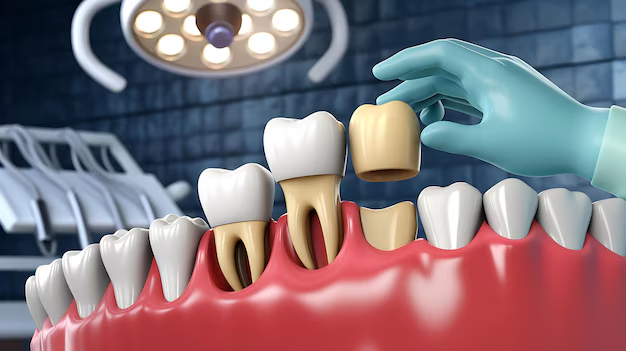
A cracked molar, a tooth worn thin by years of grinding, or a filling that has finally given way: these are the moments when a dental crown stops being an abstract dental term and becomes a practical answer. A crown is designed to cover a compromised tooth and bring back its shape, strength, and appearance, which is why it remains one of the most reliable ways to protect a tooth that would otherwise be at risk.
At our Bedford, MA practice, crown treatment is part of a broader restorative approach that includes bridges, implants, and full mouth reconstruction. The goal is straightforward. Keep the natural tooth whenever possible, rebuild what has been lost, and make the result look like it belongs in your smile.
What a Dental Crown Does for a Damaged Tooth
For a tooth that has been compromised, a crown is often one of the best possible solutions for restoring and protecting it from further damage or decay. It covers the tooth, holds the remaining structure together, and takes over the work of chewing on that side of your mouth.
Crowns are also used for cosmetic purposes, not only repair. The same restoration that saves a fractured tooth can also improve the shape and color of a tooth that has always bothered you. Whether the motivation is restorative or aesthetic, a crown is built to return your smile to a complete and functional state.
Teeth with extensive decay or trauma are the most common candidates. When a tooth has been repaired so many times that little natural structure remains, or when a break extends below the gum line, a filling alone usually cannot hold up to normal biting forces. A crown can.
Signs You May Be a Candidate for a Crown
Crowns are not reserved for dramatic dental emergencies. Many patients are surprised to learn that a crown is the recommended next step during a routine exam. Common situations include:
- A tooth with extensive decay that has undermined the surrounding structure
- A cracked, fractured, or broken tooth, especially one that hurts when you bite down
- A tooth that has been treated with a root canal and needs protection afterward
- An existing crown or large filling that has worn out, chipped, or come loose
- A tooth that has been worn down by grinding or clenching
- A tooth that is misshapen, discolored, or otherwise not matching its neighbors
Discomfort is not always part of the picture. Some damaged teeth feel completely normal until the day they fail, which is one reason regular exams and imaging matter. Catching a compromised tooth early usually means a simpler, more predictable repair.

Crowns, Bridges, and Other Restorative Options
Crown and bridge treatments are designed to restore both function and aesthetics to your teeth. The two are often mentioned together because they solve related but different problems.
| Restoration | What it addresses |
|---|---|
| Dental crown | Covers and protects a single tooth that is cracked, decayed, worn, or weakened |
| Dental bridge | Replaces one tooth or a few missing teeth and restores the bite in that area |
| Implant | Replaces a missing tooth root, often finished with a crown on top |
If you are missing teeth rather than trying to save one, a bridge or implant may be the better conversation. If the tooth is still present and can be saved, a crown is usually the more conservative choice because it preserves your natural root and the bone around it.
How Digital Scanning Fits Into Crown Treatment
Traditional crown appointments relied on impression trays filled with a thick material that had to set while you held still. Our practice uses iTero scanning technology instead, capturing a digital model of your teeth in minutes. That digital record can be used to plan restorative work and to track changes in your bite over time.
AI diagnostics add another layer to the exam. Imaging that is reviewed with digital tools can help identify problems that are easy to miss on a visual inspection alone, including early decay around the edges of old restorations. Airflow hygiene technology also plays a supporting role, using a gentle stream of air, water, and fine powder to clean around crowns, bridges, and gum margins without the scraping sensation many patients dislike.
None of this replaces clinical judgment. It simply gives your dentist better information and gives you a more comfortable visit.
What to Expect During Treatment
Every case is slightly different, but crown treatment generally follows a predictable sequence. Your dentist will explain the specifics of your tooth before anything begins.
- Exam and imaging. The tooth is evaluated, sometimes with digital scans or X-rays, to confirm that a crown is the right solution and that no other treatment such as a root canal is needed first.
- Tooth preparation. The tooth is reshaped so the crown can fit over it without feeling bulky. The amount of reduction depends on the material chosen and the condition of the tooth.
- Scanning or impressions. A digital scan or traditional impression records the exact shape of your prepared tooth and your bite.
- Temporary crown. A temporary restoration protects the tooth between visits so you can eat and speak normally in the meantime.
- Fitting and cementation. The finished crown is checked for fit, bite, and color, adjusted as needed, and then bonded into place.
If you have dental anxiety, say so before treatment starts. Knowing what is coming, agreeing on a signal to pause, and taking breaks when you need them all make the appointment easier to get through.
When Crown Lengthening Comes First
Sometimes the tooth itself is fine but there is not enough of it showing above the gum line to hold a crown securely. In those cases, a dentist may recommend crown lengthening before restorative work begins.
Crown lengthening is generally performed to improve the health of the gum tissue or to prepare the mouth for restorative or cosmetic procedures. It reshapes the gum and sometimes the bone around a tooth to expose more of the tooth structure. That extra exposure gives the crown a solid foundation and helps the gum margin sit where it should, which matters for both the health of the tooth and the way the final restoration looks. If your dentist mentions it, it is usually a sign that the plan is being built around your actual anatomy rather than a one size fits all template.
Porcelain Crowns and Cosmetic Goals
Porcelain crowns are popular because they can be shaped and shaded to blend with the teeth around them. Patients often describe the goal as dentistry that does not look like dentistry, and modern porcelain restorations get much closer to that ideal than the older crowns many adults remember.
For patients with existing crowns or large old fillings that look obvious, replacement is an option. Existing crowns and fillings can be replaced with restorations that look and feel like your natural teeth. Where damage is extreme, porcelain can often rebuild a tooth that seemed beyond repair.
Material selection is a conversation, not a default. Front teeth have different demands than molars, which take the heaviest biting forces. Your dentist will talk through the tradeoffs and help you choose something that fits your bite, your budget, and your expectations.
Caring for a Crowned Tooth
A crown protects the tooth, but it does not make the tooth maintenance free. The gum line and the margins where the crown meets the tooth still collect plaque, and the tooth structure underneath is still your own.
- Brush twice daily and pay attention to the edge of the crown where it meets the gum
- Floss or use an interdental cleaner around the crown each day
- Keep regular hygiene appointments so the margins can be checked and cleaned
- Mention any new sensitivity, looseness, or change in your bite right away
- If you grind your teeth, ask whether a night guard would help protect the crown
Because questions about what happens under a crown over time come up often, it is worth asking your dentist directly about your own tooth rather than relying on general advice online.
Questions to Ask at Your Consultation
Walking into a consultation with a few questions ready makes the decision easier. Consider asking:
- Is a crown the right option here, or would a filling or another restoration work?
- Does this tooth need a root canal before it is crowned?
- Which crown material do you recommend for this tooth, and why?
- Will crown lengthening be needed, and who would perform it?
- What does my dental insurance cover, and what would my out of pocket cost be?
- How should I care for the temporary crown before the final one is placed?
Cost is a common concern, and it is a fair one. Pricing for crowns varies based on the material, the complexity of the tooth, and whether additional procedures are needed. Rather than guessing from a general number you read somewhere, ask our office for a clear estimate and check with your insurance plan about coverage before treatment begins.
Frequently Asked Questions
How do I know if I need a dental crown?
Common signs include a tooth with extensive decay, a crack or fracture, a tooth that has had a root canal, or an old crown or filling that has failed. Some damaged teeth cause no discomfort at all, which is why a professional exam and imaging are the most reliable way to know whether a crown is the right next step.
Does a crown mean the tooth is permanently fixed?
A crown protects and reinforces a compromised tooth, and it can last a long time with good care. It does not make the tooth indestructible. The tooth underneath and the gum margin still need daily cleaning and regular professional checkups. Your dentist can talk with you about realistic expectations for your specific tooth and material choice.
Will a crown look natural?
Porcelain crowns are designed to match the shade and shape of your surrounding teeth. Many patients today replace older, more visible crowns and fillings with restorations that look and feel like natural teeth. Color matching happens during the fitting appointment, with adjustments made before the crown is bonded into place.
How much does a dental crown cost in Bedford, MA?
Pricing depends on the material, the condition of the tooth, and whether procedures like crown lengthening or a root canal are required first. Because cost varies case by case, ask our office for a personalized estimate and confirm your coverage with your dental insurance plan before scheduling treatment.
Can a crown be replaced instead of getting a new tooth?
Yes. Existing crowns and fillings can be replaced when they wear out, chip, or no longer match the surrounding teeth. Replacing a crown is generally simpler than starting from scratch on a healthy tooth, and it is a common way to refresh the look of older dental work while keeping the natural tooth structure intact.