
A confident smile has the power to change how you feel about yourself and how others perceive you. In fact, research from the American Academy of Cosmetic Dentistry (AACD) shows that nearly 48% of adults say a smile is the most memorable feature after meeting someone for the first time. When your teeth don’t reflect the image you want, it can impact both your confidence and daily interactions.
Dental veneers have become one of the most popular cosmetic dentistry solutions for achieving a beautiful smile. Among the available options, traditional veneers and no-prep veneers are the most widely discussed. Both serve the same purpose: enhancing the appearance of teeth. However, the process, durability, cost, and overall experience differ significantly.
For someone considering veneers, it can be overwhelming to choose between the two. This blog explains everything you need to know in simple terms, so you can make an informed decision with confidence.
Comparing Traditional and No-Prep Dental Veneers
- Traditional veneers are durable and customizable but require the removal of enamel.
- No-prep veneers preserve more of the natural tooth and involve a quicker, less invasive process.
- Traditional veneers last 10 to 15 years, while no-prep veneers usually last 5 to 7 years.
- Cost varies: traditional veneers are generally more expensive, but they offer greater longevity and customization.
- The best choice depends on your smile goals, oral health, and comfort level with dental procedures.
What Are Dental Veneers?

Dental veneers are thin shells that cover the front surface of teeth. They are designed to improve the appearance of teeth by changing their color, shape, size, or length. Veneers are commonly used to treat issues such as:
- Stained or discolored teeth that cannot be improved by whitening
- Teeth that are chipped or worn down
- Gaps between teeth
- Uneven or irregularly shaped teeth
Veneers are bonded to the natural tooth structure and create a natural-looking, long-lasting smile transformation. Within veneers, the two main categories are traditional veneers and no-prep veneers. Understanding the difference between them is key to choosing the right solution.
Traditional Veneers
How They Work
Traditional veneers are typically made of porcelain, a material well-known for its durability and resemblance to natural tooth enamel. To place them, your dentist carefully removes a thin layer of enamel from the surface of the teeth, usually about half a millimeter. This makes room for the veneers to sit naturally and securely without making the teeth look bulky.
After the preparation, impressions are taken, and temporary veneers may be placed while your permanent ones are being custom-crafted. Once ready, the porcelain veneers are bonded securely to the teeth.
Benefits
- Highly customizable: Shade, shape, and size are tailored to your smile.
- Durability: With proper care, they last 10 to 15 years or longer.
- Strong bond: The enamel removal allows the veneer to bond more securely.
- Effective for complex cases: Ideal for severe discoloration, larger gaps, or structural issues.
Considerations
- Irreversible: Once enamel is removed, it does not grow back.
- More invasive: Requires reshaping of teeth.
- Higher cost: Generally, it is more expensive due to the detailed preparation and customization.
No-Prep Veneers
How They Work
No-prep veneers are thinner and designed to be applied with little to no enamel removal. In many cases, the veneers are placed directly on top of the existing teeth, preserving the natural tooth structure. The process is quicker, and most patients do not need anesthesia.
Benefits
- Minimally invasive: Preserves natural enamel and is reversible in some cases.
- Quicker application: Often completed in fewer appointments.
- Comfortable: Typically requires no shots or drilling.
- Natural look: Works well for minor cosmetic improvements.
Considerations
- Less durable: Lasts about 5 to 7 years on average.
- Limited customization: May not hide severe discoloration or fix major dental issues.
- Potential bonding issues: Because enamel is not removed, bonding strength may be lower compared to traditional veneers.
Comparing Traditional Veneers and No-Prep Veneers
1. Customization and Aesthetics
Traditional veneers allow for significant customization. Dentists can adjust thickness, shade, and shape to address complex cosmetic problems. No-prep veneers, while natural-looking, offer less room for extensive alterations and are better suited for subtle changes.
2. Longevity and Durability
Traditional veneers are known for their strength and can last 10 to 15 years or more. No-prep veneers usually last 5 to 7 years, meaning replacements may be needed sooner.
3. Invasiveness and Tooth Preservation
Traditional veneers require enamel removal, which makes the procedure permanent. No-prep veneers keep more of the natural tooth intact, making them less invasive and more appealing to patients with dental anxiety.
5. Suitability
- Traditional veneers are best for patients with significant cosmetic concerns.
- No-prep veneers are ideal for patients seeking a quick, conservative improvement.
“If your teeth are discolored, uneven, or leaving you self-conscious with every smile, traditional or no-prep veneers could be your answer. I love helping people renew their confidence by restoring what makes them proud to show their smile.” — Dr. Leo Kharin, D.M.D., F.A.G.D.
Clinical Considerations
Enamel Thickness
Patients must have adequate enamel for veneers. Traditional veneers require enough enamel to support reshaping, while no-prep veneers work better for patients with smaller or slightly positioned teeth that do not need heavy adjustment.
Aesthetic Integration
Traditional veneers are thicker and can mask discoloration better. No-prep veneers are thinner, offering translucency and a more natural blend but less coverage for darker teeth.
Patient Health
Both types of veneers require healthy teeth and gums before placement. Any cavities, gum disease, or infections should be treated first to avoid complications.
Patient Experience
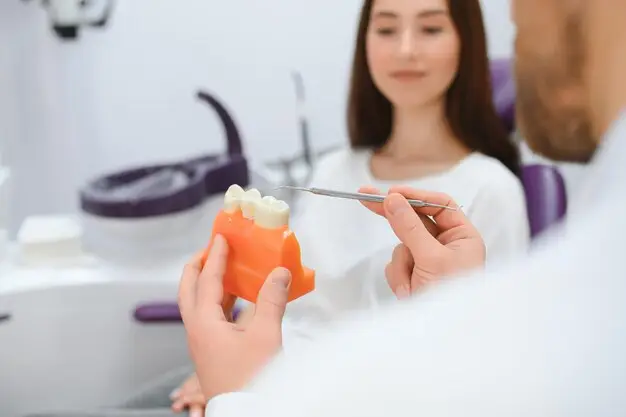
The process for both veneer types begins with a consultation. Advanced technology like digital imaging and intraoral scanning helps create a preview of what your smile could look like. Traditional veneers involve more preparation and temporary veneers, while no-prep veneers are usually faster and more comfortable.
After placement, maintaining good oral hygiene is critical. Regular brushing, flossing, and checkups ensure veneers stay in excellent condition.
Why Choose Bedford Dental
Bedford Dental, we know that every smile is unique, and so are your goals. Our approach begins with listening to your concerns and understanding what you want to achieve. We combine modern technology with a compassionate approach to make your treatment smooth and comfortable. From advanced digital imaging that allows you to preview your smile to personalized care that ensures your veneers look and feel natural, we are committed to delivering results that last. Our team is experienced in both traditional and no-prep veneers, and we guide you in choosing the option that works best for you. Patients trust us because we make the journey clear, supportive, and focused on long-term satisfaction.
Conclusion
Both traditional and no-prep veneers have their place in cosmetic dentistry. Traditional veneers offer durability, customization, and dramatic transformations, while no-prep veneers provide a conservative, quick solution for subtle improvements. The right choice depends on your goals, oral health, and comfort level with treatment. A consultation with your dentist is the best way to make an informed decision.
Frequently Asked Questions
1. Do veneers damage your natural teeth?
Traditional veneers require enamel removal, which is permanent, but when done by an experienced dentist, it does not harm the health of the tooth. No-prep veneers preserve most of the natural tooth.
2. Can veneers be whitened after placement?
Veneers cannot be whitened with bleaching treatments. Choosing the right shade before placement is important.
3. How do I maintain veneers?
Good oral hygiene, avoiding hard foods, and regular dental checkups help veneers last longer.
4. Are veneers suitable for everyone?
Not always. Patients with poor oral health, untreated gum disease, or weak enamel may not be good candidates until those issues are resolved.
5. Which option is more natural-looking?
Both look natural, but no-prep veneers are thinner and more translucent, making them ideal for subtle improvements. Traditional veneers offer more control for complex cosmetic changes.