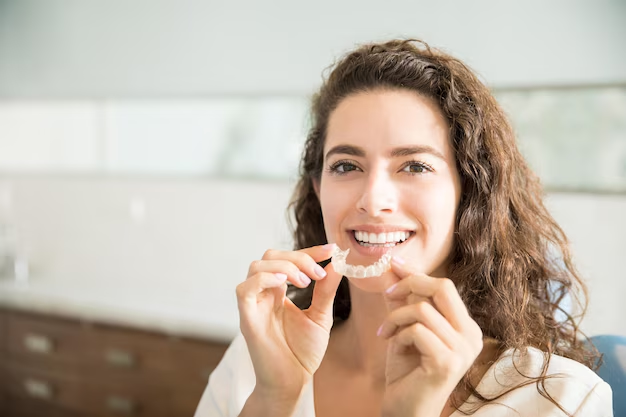

Invisalign is removable, and that single feature changes mealtimes completely. There are no wires to work around, no brackets to trap food, and no list of foods you have to surrender. You take the trays out, eat normally, clean your teeth, and put the trays back in. The part that takes practice is not the menu. It is the rhythm.
At our Bedford, MA practice, most of the eating questions we hear are about timing, comfort, and damage. Can you eat with the trays in? What happens if a tray cracks? How do you fit 20 to 22 hours of wear into a day that already includes three meals, snacks, coffee, and a lunch break at work? Here is how eating with Invisalign in Bedford, MA actually works in daily life.
The One Rule That Covers Almost Everything
Remove your Invisalign trays before you eat or drink anything except water. That habit prevents nearly every problem that comes up during aligner treatment. Water is the only thing that stays safe with the trays in place. Everything else, including meals, snacks, and any beverage other than water, starts with taking the aligners out first.
Invisalign is designed to be worn 20 to 22 hours a day. The time you spend eating, drinking, brushing, and flossing is the time the trays come out. Sleeping, working, driving, and exercising all count toward your daily wear time.
Why Eating With the Trays In Causes Problems
The aligner plastic is strong, but the chewing action inside your mouth is stronger. Eating with Invisalign can cause the plastic to crack or stain, and both outcomes work against your treatment. A cracked tray no longer fits the way it is supposed to, and a stained tray is something you see every time you look in the mirror.
Food can damage the trays directly, and beverages can stain them. Chewing gum while wearing your alignment trays is prohibited for the same reason. Grabbing a quick snack with the trays in might feel like a harmless shortcut, but that shortcut usually costs you either the tray itself or a call to your dental team to sort out what to do next.
| What you are doing | Trays in or out? | Why |
|---|---|---|
| Drinking water | In | Water is the only drink that is fine with the aligners in place. |
| Eating a meal | Out | Always remove the trays before eating. |
| Eating a snack | Out | Food can damage the trays, and snacking adds up against your wear hours. |
| Drinking anything other than water | Out | Beverages other than water can stain the trays. |
| Chewing gum | Out | Chewing gum while wearing the trays is prohibited. |
| Brushing and flossing | Out | The aligners come out to clean your teeth. |
Fitting 20 to 22 Hours Into a Real Day
The hardest part of eating with Invisalign is not choosing food. It is keeping the trays out for a short enough window. Grazing on snacks through an afternoon, or sipping a drink over the course of an hour, quietly eats into wear time. Lost wear time is one of the most common reasons treatment takes longer than planned.
Build a consistent meal schedule
Patients who do best with aligners eat on a predictable rhythm. Instead of spreading food across the day, they sit down for meals at roughly the same times, finish eating, clean their teeth, and put the trays back. A consistent meal schedule is one of the simplest ways to meet the required 20 to 22 hours without feeling rushed or deprived.
Handle the lunch break away from home
If you eat lunch in Bedford, plan the full sequence: remove, eat, rinse, brush, reinsert. Bring a small case or a clean container so the trays are not sitting loose in a pocket or on a desk. If you cannot brush right away, rinse your mouth and the trays before putting them back, then brush as soon as you reasonably can.
Foods That Feel Comfortable Rather Than Foods That Are Banned
Because the aligners come out, no foods are off-limits. That is one of the biggest advantages over fixed braces. Nothing gets stuck behind a wire, and you can keep eating the foods you actually enjoy instead of building your diet around orthodontic hardware.
Comfort is a separate question from permission. On days when your teeth feel sensitive, many people naturally drift toward softer textures that ask less of their teeth. Soft foods, cool foods, and anything you can cut with the side of a fork tend to be easier. Yogurt, eggs, soups, mashed vegetables, pasta, and soft fruit are common picks. Dishes that demand hard biting are often more enjoyable on a day when your teeth feel settled.
If one specific food reliably bothers you, make a note and bring it to your next visit. Comfort is part of treatment, and we would rather adjust your routine than have you quietly skip meals you like.

Habits to Leave Behind Once Treatment Starts
Most of what you need to avoid is not a food at all. It is a habit that puts your trays in contact with something they should not touch.
- Eating with the trays in, even for a quick bite.
- Chewing gum while wearing the aligners.
- Drinking anything other than water with the trays in.
- Leaving the trays out for a long stretch because you plan to eat again soon.
- Putting the trays back on unbrushed teeth after a meal.
- Assuming a cracked or stained tray will still do its job.
None of these look dramatic on their own. Repeated over weeks of treatment, they add up to lost wear hours, trays replaced early, and results that arrive later than the plan predicted.
Drinks, Stains, and the Water Exception
Water is the exception to the remove-it rule, and the only one. Beverages other than water can stain the aligners, and drinking anything besides water while wearing your trays is not recommended. If you want coffee, tea, juice, soda, or anything else, take the trays out first, drink it, rinse your mouth, and put the trays back in.
This matters for more than appearance. A tray that has picked up color from what you drink is a tray you will notice in conversation and in photos for as long as you wear it. Clear aligners work because they are subtle. Keeping them that way is mostly about what you drink while they are in.
The Reset Routine After Every Meal
Once you finish eating, the sequence is short and worth doing properly. Rinse your mouth with water. Brush and floss. Rinse the trays. Reinsert them. Invisalign trays come out to eat, drink, brush, and floss, and those are the only reasons they should leave your mouth during a normal day.
Flossing matters more during aligner treatment than many people expect. The trays sit against your teeth for most of the day and hold anything left behind against the enamel. A quick brush without flossing leaves debris exactly where the aligner presses it into the tooth surface.
What to Do If a Tray Gets Damaged
If you ate with the trays in and you notice a crack, a rough edge, or a stain that will not rinse away, tell your dental team rather than pushing through the rest of the week. A damaged tray cannot guide your teeth the way the original design intended. Bring it to your next visit or call the office so we can look at the tray with you and decide together what the next step should be.
Raising it early is always easier than explaining weeks of reduced wear time after the fact.
Where We Fit Into Your Routine
If you are considering Invisalign, or you are already partway through treatment, our Bedford office uses digital scanning to capture your teeth instead of traditional impression trays, and that scan guides the aligner plan. When you have a question about eating, wear time, or a tray that does not feel right, bring it to your appointment. Small adjustments to your daily routine are usually enough to get your wear hours back on track.
Patients come to us from Bedford and from nearby towns like Lexington, Burlington, Billerica, and Reading, and the meal-timing questions sound the same in every one of them: how to eat normally, keep the trays clean, and stay inside the 20 to 22 hour window without turning every meal into a project.
Frequently Asked Questions
Do I really have to take my aligners out for every snack?
Yes. The rule covers snacks the same way it covers meals, and it applies to any beverage other than water. A quick bite with the trays in can crack or stain the plastic, and constant snacking also stretches how long your aligners stay out of your mouth. Grouping snacks with meals keeps both your trays and your wear time in better shape.
What happens if I accidentally eat with my Invisalign in?
Eating with Invisalign in place can crack or stain the aligners, and food can damage the trays. If it happens once by accident, remove the trays, rinse them, and check for cracks, rough edges, or color that will not rinse away. If anything looks off, contact your dental team before you keep wearing that tray.
Can I drink anything besides water while wearing my aligners?
No. Water is the only drink that is safe to have with the trays in. Everything else, from coffee to juice to soda, should wait until the aligners are out, because beverages other than water can stain the trays. Take the trays out, enjoy the drink, rinse your mouth, and reinsert the aligners afterward.
Does Invisalign mean I have to give up my favorite foods?
No. Because the aligners are removable, no foods are off-limits during treatment. You can eat what you normally eat as long as you take the trays out first and clean your teeth before putting them back. That freedom is one of the main reasons people choose Invisalign over traditional braces, which can trap food in wires and brackets.
How many hours a day should my aligners stay in?
Invisalign aligners should be worn 20 to 22 hours each day for the best results. The trays come out only to eat, drink, brush, and floss, which leaves a small window each day for everything else. A consistent meal schedule makes that window far easier to manage than spreading snacks across the whole day.