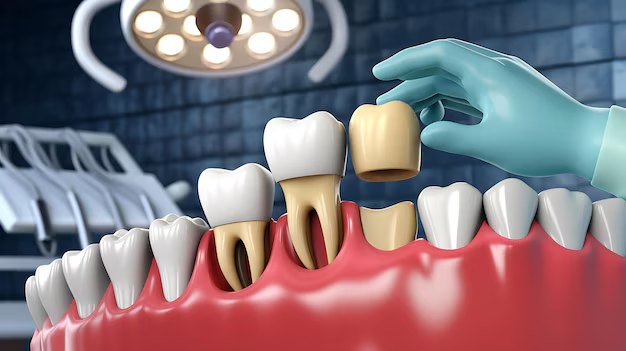

An abscess is a sign that infection has reached the innermost part of a tooth, where the pulp and the delicate nerve sit. Once that happens, the tooth does not heal on its own, and the discomfort tends to grow rather than fade. At that point there are two realistic paths: root canal therapy to keep the tooth, or extraction to remove it.
Both options treat the infection. They differ in what happens to your tooth afterward, and the better choice depends on the condition of the tooth itself. Here is how each approach works, what an abscess visit in Bedford typically involves, and the questions worth asking before you commit to a plan.
What an Abscess Actually Means for Your Tooth
Root canal therapy becomes necessary when the soft tissue inside the root canal becomes infected or inflamed. The same problem shows up when decay has reached the nerve of the tooth or the tooth has become infected. Because the pulp is where the nerve lives, an infection there is often painful, and that pain is a signal worth acting on rather than waiting out.
An untreated infection does not resolve by itself, and it can continue to spread beyond the tooth. That is the main reason a persistent toothache, a tooth that throbs, or swelling near a single tooth deserves prompt attention. Getting evaluated early usually leaves more options on the table, including the option of saving the tooth.
Why the Decision Is Really About Saving or Removing the Tooth
Root canal treatment exists for one purpose: to save a tooth that would otherwise be lost. The teeth are saved by relieving pain and making the tooth healthier through removal of the infection. It is a very common procedure and typically a very painless one, despite its reputation.
Extraction takes the opposite approach. Instead of cleaning out the infection and keeping the tooth, the tooth itself is removed along with the source of the problem. Whether that is the right call depends on clinical factors your dentist can only judge in person, such as how much healthy tooth structure remains and how far the infection has traveled. A tooth with a small area of infection and solid walls is a very different situation from one that has cracked or lost most of its structure to decay.
What Happens During Root Canal Therapy
The steps of a root canal are straightforward once you understand the goal. Infected or inflamed pulp is removed from the tooth chamber. The inside of the tooth is then cleaned and disinfected before being filled and sealed to limit the possibility of future infection. Soon after the root canal is performed, the tooth is restored with a dental crown or filling to protect the tooth and restore normal tooth function.
- The infected or inflamed pulp is removed from inside the tooth.
- The interior of the tooth is cleaned and disinfected.
- The tooth is filled and sealed to reduce the chance of a new infection.
- The tooth is restored with a crown or filling so it can function normally again.
The end result is a tooth that is still yours, still in its original position, and protected against the infection returning from inside the root.

What to Expect at an Abscess Visit in Bedford
At Bedford Dental, the team led by Dr. Leo Kharin provides swift emergency dental care, and an abscess visit follows a fairly predictable path. Knowing what that path looks like removes a good deal of the worry that comes with a swollen or throbbing tooth.
The appointment starts with an evaluation so your dentist can see where the infection sits and how much of the tooth can reasonably be saved. From there you get a recommendation, either root canal therapy to keep the tooth or extraction if the tooth cannot be restored reliably. You should leave that visit understanding what was found, what the plan is, and what happens next.
A practice built around digital tools and patient comfort makes that conversation easier. Modern scanning and diagnostic technology supports treatment planning, and a calm, unhurried approach matters just as much for anyone who has been putting off care because of anxiety or a previous bad experience.
Root Canal or Extraction: A Side by Side Look
| Root Canal Therapy | Tooth Extraction | |
|---|---|---|
| Effect on the tooth | The natural tooth stays in place | The tooth is removed |
| What is taken out | Infected or inflamed pulp from inside the tooth chamber | The tooth itself, along with the source of the infection |
| What comes afterward | The tooth is restored with a dental crown or filling | Replacement options are discussed with your dentist |
Neither path is a punishment and neither one is always correct. A tooth that can be saved usually is worth saving, because keeping your natural tooth preserves the structure and function you already have. Extraction becomes the sensible answer when the tooth is too damaged or too infected to be rebuilt into something that will hold up over time.
Questions Worth Asking Before You Decide
You are allowed to ask for the reasoning behind a recommendation. In fact, the more you understand, the easier the decision becomes.
- Can this specific tooth be saved, and what makes you confident about that?
- What does the root canal involve for this tooth, and how many visits should I expect?
- If I choose extraction, what are my options for replacing the tooth?
- What does treatment cost with my insurance, and what would it cost without it?
- What should I do if the pain returns before my next appointment?
Cost, Insurance, and Getting a Real Number
Pricing for root canal therapy varies with the tooth involved, the complexity of the case, and where you are treated, so no useful answer comes from a general figure you read online. The research behind this article does not include specific fees for Bedford, and any clinic that quotes you a number before examining the tooth is guessing.
The practical move is to ask the office directly for an estimate and to check what your dental insurance covers. Request the number in writing, ask whether the estimate includes the restoration that follows the root canal, and ask what changes if the tooth turns out to be more complicated than expected. If cost is the deciding factor between the two options, say so out loud. Many offices can lay out the payment details clearly enough to remove money from the equation.
If Dental Anxiety Is Part of the Delay
Fear keeps a lot of people away from the chair long enough for a small problem to become an infected one. If that sounds familiar, mention it when you call. Let the office know what worries you, whether it is the sound of the drill, the numbing process, or simply not knowing what is happening next. That information changes how a good team handles your appointment, from how they explain each step to how often they pause and check in.
Root canal therapy has a reputation that its day-to-day reality does not match. Patients routinely describe the procedure as far less eventful than the toothache that brought them in, and the relief that follows is the part most people remember.
When to Call Instead of Waiting
A tooth that hurts, a gum that is swollen near one tooth, or pain that keeps you up at night are all reasons to be seen. An abscess does not improve on its own, and delay only narrows your choices. Calling an emergency dentist in Bedford early is what keeps the decision between a root canal and an extraction in your hands rather than letting the infection make it for you.
Conclusion
An abscessed tooth needs prompt treatment because the infection will not go away on its own. Depending on the condition of the tooth, root canal therapy may help preserve it, while extraction may be recommended when the tooth cannot be restored reliably. If you have persistent tooth pain, swelling, or signs of infection, contact Bedford Dental today to schedule an evaluation and discuss the right treatment for your tooth.
Frequently Asked Questions
Can a tooth with an abscess still be saved with a root canal?
Often, yes. Root canal therapy is specifically designed to remove infected or inflamed pulp from inside the tooth, clean and disinfect the space, and then fill and seal it to limit the possibility of future infection. An abscess does not automatically mean the tooth must come out. Your dentist will confirm whether enough healthy tooth structure remains to support a restoration.
Is a root canal painful?
Root canal treatment is generally described as a very common and typically very painless procedure, and its purpose is to relieve the pain caused by the infection. The toothache that brings you in is usually the more uncomfortable part. If you are nervous, tell the team in advance so they can explain each step and keep you comfortable throughout.
How do I know whether I need a root canal or an extraction?
That call cannot be made from symptoms alone. It depends on how much healthy tooth structure is left and how far the infection has spread, which is why an in-person evaluation comes first. Your dentist should walk you through the reasoning, the expected outcome, and what replacement options would look like if extraction turns out to be the better choice.
What happens if an abscess is left untreated?
An infection inside the pulp does not clear up on its own, and it can continue to spread if nothing is done. Waiting also tends to reduce your options, since a tooth that could have been saved early may later be too damaged to restore. Pain that lingers, swelling near a tooth, or a tooth that hurts when you bite are all reasons to call promptly.
How much does a root canal cost in Bedford, MA?
Fees vary by tooth, complexity, and insurance coverage, and the research behind this article does not include specific local pricing. Ask the dental office for a written estimate that spells out the root canal itself and the crown or filling that follows. Also confirm what your insurance covers before treatment begins so there are no surprises afterward.